Leadership doesn’t start with policies, perks or pep talks. It starts with trust.
We spend plenty of time talking about skilled labor shortages and how best to tackle employee retention and recruiting. But if you strip all of that down to its core, the underlying question is pretty simple: Why would someone want to work for you, and why would they want to stay?
The answer almost always comes back to leadership, and the foundation of leadership is trust.
The two companies profiled in this month’s issue provide good examples of what that looks like in practice.
At Standard Plumbing Contractor in Chicago, ownership’s emphasis is on being straightforward with employees and treating them with dignity. That might sound basic, but it doesn’t occur at all companies. While some turnover exists, one employee has been at Standard Plumbing Contractor for nearly two decades. That’s not an accident. That’s the result of consistency, fairness and respect over time. Trust isn’t built through grand gestures. It’s built by showing up the same way every day and doing what you say you’re going to do.
“We try for a family-oriented workplace, try to be fair and to treat each person with dignity and respect,” says Rodney M. Hardy, current company president.
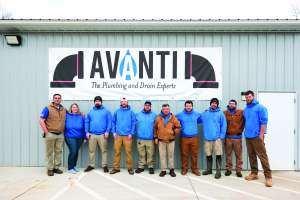
At Avanti Plumbing & Drains in Pennsylvania, Anthony Tosco has made decisions that would make some business owners uncomfortable — namely, not having employees work nights or weekends. He’s fully aware of the revenue he’s leaving on the table. But he also believes it’s a key factor in his low turnover. That kind of leadership sends a powerful message. It says, “I see you as a human being, not just a revenue generator.” That message builds loyalty you can’t buy.
There’s an interesting framework from performance psychologist Michael Gervais that helps explain why this works. Gervais, who worked with football coach Pete Carroll during his time with the Seattle Seahawks, has a theory of trust. He describes trust as a three-legged stool: integrity, benevolence and ability.
Integrity means you’re the same person in calm moments and high-pressure ones. Benevolence means your people know you’re not just in it for yourself — that their win is part of your definition of success. And ability means you can actually back it up. You know the business. You can make decisions. You can lead when it matters.
Miss one of those legs, and the whole thing tips over.
Another piece that can get overlooked in leadership conversations is culture — specifically, whether work is allowed to be human. Fun may not be the first word that comes to mind when you think about sewer and drain work, but that doesn’t mean it doesn’t matter. Laughter, camaraderie and small moments of levity reduce stress, strengthen teams and make hard days more manageable. This month’s Better Business feature looks at what it means to have a fun workplace and the benefits it produces.
Good leaders understand balance. They know when it’s time to buckle down and when it’s OK to breathe. They celebrate wins, encourage connection and don’t mistake constant seriousness for professionalism.
At the end of the day, building trust with employees isn’t about being perfect. It’s about being consistent, fair and genuine. It’s about showing your people that you care about how they work as well as how they live. Do that, and you won’t have to constantly be worrying about solving the employee retention question.
Enjoy this month’s issue.
Continue reading for free