Every business has one.
The technician everyone relies on when a tough problem comes up. They can diagnose issues just by listening, remember how older systems were put in, and always seem to have the answer when no one else does. Their years on the job have given them instincts you can't pick up quickly.
Now picture what happens when that person retires. Will your business keep running smoothly, or will all that knowledge leave with them?
With so many experienced tradespeople getting close to retirement, this is now one of the biggest challenges for service businesses. Hiring a new technician is hard enough. Replacing decades of know-how is even harder.
But you don't have to leave knowledge transfer to chance. With some planning, owners can keep valuable expertise in the business and help the next generation succeed.
Experience is more than technical skill
When owners look to replace a senior technician, they usually focus on factors such as certifications, technical skills, and years of experience. These are important, but they're only part of the picture.
Experienced technicians also have a kind of know-how that's hard to measure. They know the longtime customers, which neighborhoods have the same problems, which equipment often breaks down, and how to fix issues that newer techs might never have seen.
They also get the company's culture, service standards, and what's expected. A lot of what makes them good at their job is second nature, so they might not even realize how much they know until someone brings it up.
Waiting is the biggest mistake
Trying to pass on knowledge just two weeks before retirement almost never works.
But many companies put off these talks because everyone is busy. The experienced tech keeps fixing things, the younger staff keep learning as they go, and people just hope it will all work out.
Most of the time, it doesn't.
When retirement day comes, businesses often find out there are many unwritten processes, customer details, and troubleshooting tricks that never got shared. This leads to a tougher learning curve, more mistakes, and frustration for everyone.
Make mentoring part of the job
One of the best ways to keep knowledge in your business is to make mentoring a regular part of the job, not just something you do once in a while.
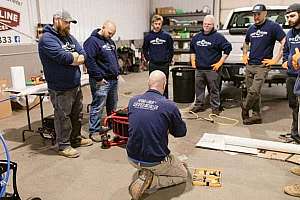
Ask experienced technicians to explain not only what they're doing, but why. Let apprentices and new hires join them on tough service calls and ask questions as they work. These talks often give insights you won't find in any manual.
Mentoring is good for senior technicians, too. It lets them make a real difference in the company and help shape the people who will take over in the future.
Document what matters most
You can't write down every lesson, but you can capture a lot of them.
Try making simple resources that cover common service problems, troubleshooting steps, customer preferences, safety tips, or advice for certain equipment. Even a bunch of notes, checklists, or short training videos can be a huge help for future employees.
You don't need to create an encyclopedia. The goal is to make sure important knowledge is easy to find, not stuck in one person's head.
Create opportunities to learn together
You don't have to transfer knowledge in a classroom setting.
Morning meetings, job-site walkthroughs, and post-project talks all give experienced employees a chance to share what they've learned. Asking questions like, "What made this job different?" or "What would you do differently next time?" can spark helpful conversations for the whole team.
These discussions also reinforce a culture where learning never stops, regardless of how many years someone has been in the trade.
Think beyond the next hire
Getting ready for retirement isn't just about filling a job opening. It's about building a stronger company that keeps growing, even as people come and go.
Companies that focus on growing future leaders, encourage teamwork, and share knowledge across the business are much stronger than those that rely on a few experts. They're also better at bringing in new employees, keeping service consistent, and handling change.
Knowledge should be one of your company's biggest strengths, not a glaring weakness.
The best legacy is one that’s shared
Every experienced technician will eventually do their last service call. The real question is whether their knowledge leaves with them or keeps making the company stronger.
Owners who invest in mentoring, documentation, and leadership development now will be much better prepared for the future. Even more, they'll help younger employees grow with confidence instead of feeling like they're on their own.
The best businesses aren't known for only one great technician. They're known for how well they develop the next great technician before the last one retires.
About the author: Amanda Clark is the president and editor-in-chief of Grammar Chic, a full-service professional writing company. She is a published ghostwriter and editor, and she's currently under contract with literary agencies in Malibu, California, and Dublin. Since founding Grammar Chic in 2008, Clark, along with her team of skilled professional writers, has offered expertise to clients in the creative, business and academic fields. The company accepts a wide range of projects; often engages in content and social media marketing; and drafts resumes, press releases, web content, marketing materials and ghostwritten creative pieces. Contact Clark at www.grammarchic.net.
Continue reading for free