There was a time when hydroexcavation was something of a specialty service. Today, it is becoming harder to think of it that way.
There are more utilities in the ground than ever. And with all of that comes a very simple problem: Before you dig, you better know what is down there.
The stakes of getting that wrong are enormous.
A recent report from the Common Ground Alliance estimated that damage to buried utilities cost the U.S. economy $83.2 billion in 2025. Perhaps the most eye-opening part of that number is that only 5.9% of the total came from actually repairing the damaged utility. The rest came from business interruptions, construction delays, emergency response, road closures, injuries, property damage and other consequences.
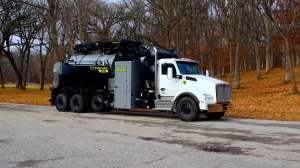
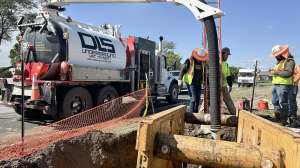
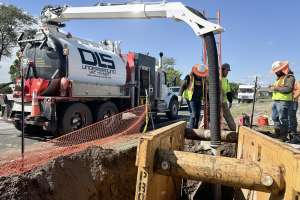
That puts the importance of safe excavation in a very different light. Hydroexcavation — the editorial theme for November — offers contractors a way to expose underground infrastructure with far less risk of damaging it. And as DLS Underground owner Dustin Stansbury points out in this month’s issue, there aren’t going to be fewer utilities in the ground going forward. There are only going to be more. That’s a pretty good business opportunity.
Stansbury has seen the potential firsthand. What began as an addition to his horizontal directional drilling operation has grown rapidly, with hydrovac work already accounting for about a quarter of DLS Underground’s business and likely becoming an even larger part of the operation in the future.
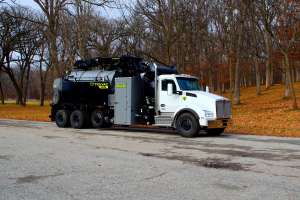
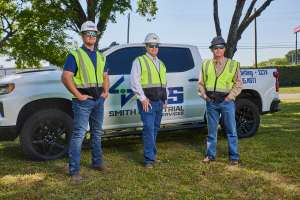
But opportunity also brings competition. A lot of contractors have hydrovac units now. Owning the truck is no longer necessarily the thing that sets you apart. The question becomes what you do with it. Smith Industrial Services, also featured in this month’s issue, offers an interesting example. The company has more than 50 hydrovacs and has made hydroexcavation part of a much broader collection of services solving problems for its customers.
At its core, the work of hydroexcavation is about about helping customers avoid problems before they happen. Exposing a utility instead of blindly digging toward it. Reducing risk and giving everyone involved in a project better information. And as the consequences of utility strikes become more apparent, that expertise is going to be increasingly valuable.
If you’re already offering hydroexcavation, ask yourself what makes your service exceptional. Are you the contractor customers call because they know you’ll do the job carefully? Are your operators trained to understand the conditions they’re working in? Are you communicating clearly with the other contractors and utility owners on the site? Are you using your equipment and experience to provide more than simply a hole in the ground?
And if you haven’t entered the hydroexcavation market yet, perhaps it’s worth taking a closer look. The ground isn’t getting any less crowded. The need to dig safely isn’t going away. Take advantage of the opportunity.
Enjoy this month’s issue.
Continue reading for free