As December winds down and we prepare to step into 2026, it’s natural to take stock of what worked this past year and where there’s room to grow.
For many business owners, the temptation is to double down on what’s already running smoothly. The phone’s ringing, crews are busy, and the financials look solid. Why rock the boat?
But as the Better Business feature this month points out, that’s the ideal opportunity to rock the boat. At least a little. Visionary business leaders don’t wait for problems to force change. They look ahead, ask “What if?” and embrace new ideas before a crisis demands it. And there’s no better time than the start of a new year to build that mindset.
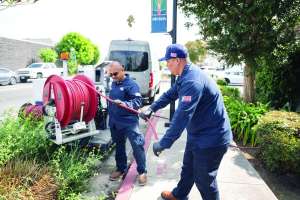
Take John Bottala, CEO of Western Rooter & Plumbing in California, one of the contractors featured in this month’s issue. Western Rooter & Plumbing has grown by blending old-school values with a willingness to embrace new tools and technology. Bottala doesn’t believe in overselling jobs or chasing quotas. He focuses on time-tested business principles like fair service and long-term relationships. But at the same time, he hasn’t been shy about adopting business software platforms to streamline operations or investing in new services like pipe lining. That balance of classic principles and progress is what has kept Western Rooter & Plumbing thriving.
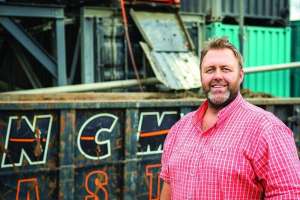
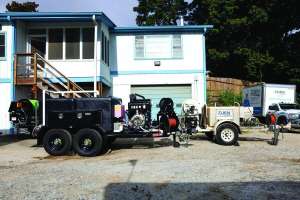
The other contractor profile in this issue is NCM Hydrovac out of Ottawa, Ontario. We’ve profiled the company before, the last time in 2018. But you don’t revisit a company unless there are changes worth examining. With tightening regulations around soil disposal, owner Kris Norris decided to take some initiative and this year, after a lot of trial and error, debuted a soil transfer facility that is the first of its kind for his region. The plant now processes hydrovac slurry into reusable sand, aggregate, and clean water. It’s for his own company’s use of course, but Norris has also made it available to other contractors in the area. He didn’t just react. He anticipated and built something with the future in mind.
The common thread in both examples is vision. Visionary business owners don’t cling to “the way we’ve always done it.” They challenge assumptions and stay curious about what’s possible. That doesn’t mean chasing every fad or upending your operation for the sake of novelty. But it does mean carving out time to think beyond just today’s jobs and contemplating about where the industry is headed and how you can prepare your company to thrive in that environment.
So what does this look like on a practical level? It means protecting time for strategy instead of letting every day get swallowed up by only the urgent. It means encouraging your team to question assumptions, even when things are going smoothly. It means rewarding experimentation — trying a new piece of equipment or new service — even if the results aren’t perfect right away. Most importantly, it means modeling that openness yourself. If employees see you asking questions, wrestling with uncertainty, and embracing change, they’ll feel empowered to do the same.
Change is inevitable. The only choice is whether you meet it head-on or let it force your hand later. The most successful companies — the ones that grow, adapt, and endure — are led by people who choose vision over complacency.
Enjoy this month’s issue.
Continue reading for free