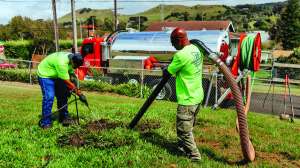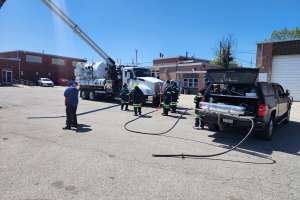

Much of the infrastructure that affects municipal sewer systems does not sit within public rights-of-way. Universities, hospitals, corporate campuses and mixed-use developments often own and maintain extensive private sewer networks that ultimately discharge into municipal collections systems.
When those private systems deteriorate or are improperly modified over time, the impacts are frequently felt by cities first, through lift station failures, grease accumulation, excessive solids, inflow issues or emergency response calls that originate upstream.
Florida’s Green Team Building Services frequently works in this gray area between public and private responsibility.
“Most of the time, the city is dealing with the symptom, not the source,” says James Terry, founder and CEO of Green Team Building Services. “If you can fix the problem where it actually starts, you take pressure off the entire system.”
As cities across Florida contend with aging infrastructure, increased storm intensity and expanding development, Terry sees a growing share of municipal risk originating outside city-owned rights-of-way. Private campuses, mixed-use developments and institutional properties often contain decades-old sewer and stormwater systems that were never designed for today’s flows or regulatory expectations. When those systems fail, municipal utilities are frequently left to respond.
“Cities end up dealing with the consequences even when the pipe isn’t theirs,” Terry says. “A lift station doesn’t care where the grease came from. It just knows it’s failing.”
Read more about Green Team Building Services in the August 2026 issue of Cleaner magazine.
Continue reading for free