
Hospital expansion calls for HD inspection of new sewer lines
Problem: A hospital expansion project in Toronto, Ontario, required pipe inspections to verify proper installation of new sewers. Previous inspections with older equipment produced fogging and lower-resolution video, making it difficult to clearly assess pipe conditions. Because the sewer lines are located beneath emergency access roadways, accurate inspections are critical to avoid future repairs that could impact emergency vehicle access.
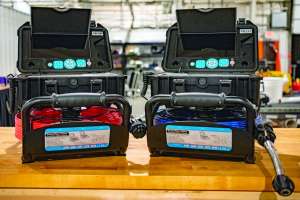
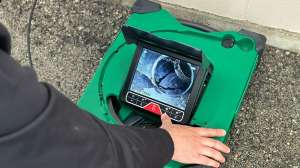
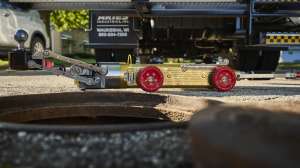
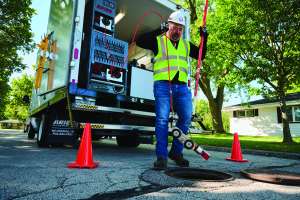
Solution: Miller Underground used the Voyager HD Mainline Inspection System from Aries Industries in a Chevrolet BrightDrop EV inspection vehicle, the first in Canada. The project called for inspection of 1,200 to 1,400 meters of pipe ranging from 6 to 32 inches. The work was completed in stages to accommodate active construction and shared roadway access. The Voyager HD camera gives improved image clarity while the lens wiper helps maintain visibility in active pipes without retrieving the camera. The fast electric lift also allows operators to adjust to fluctuating water levels.
Result: The Voyager HD system provided clear, high-resolution video that allowed crews to confirm pipe conditions throughout the newly installed sewer system. The inspection identified small defects in several PVC pipes that may have been missed with standard-definition equipment. Crews also discovered concrete mortar buildup, helping the client determine that washout from construction activity had entered the sewers. The findings allowed the client to clean the pipes, recover the costs of the cleaning and continue construction with confidence in the condition of the newly installed infrastructure. 800-234-7205; www.ariesindustries.com

Inspection system allows utility to consolidate resources
Problem: South Fork Sewer District in Kellogg, Idaho, manages more than 130,000 linear feet of sanitary sewer infrastructure with a crew of four operators. Its primary interceptor system consists of 15- to 36-inch reinforced concrete pipe that normally operates at 30% to 50% capacity. High water levels made traditional CCTV inspections difficult, often requiring separate cleaning and inspection crews, multiple vehicles and additional mobilizations. As a result, available resources and operational costs limited inspection activities.
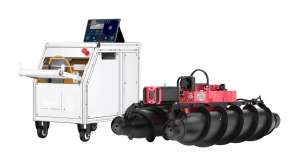
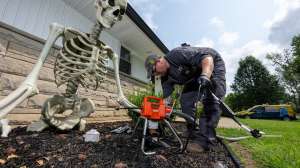
Solution: The district implemented the ZIPCAM 360 inspection system from
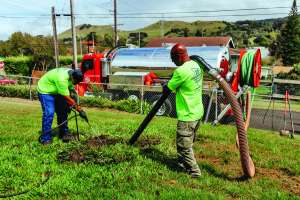
Can-Ex Technologies, a system that combines cleaning and inspection into a single operation on site. While jetting equipment temporarily lowers the water level, the camera can perform a NASSCO PACP-compliant inspection as it travels back toward the truck. The process requires only one vehicle and two technicians, allowing cleaning verification and condition assessment to occur during the same deployment.
Result: The integrated workflow reduced inspection logistics and operating costs while increasing the amount of pipe inspected each year. “Before adopting the ZIPCAM 360, we were cleaning far more than we were inspecting because of resource limitations,” says Peter Stayton, South Fork Sewer District manager. “Today, inspection is integrated directly into every cleaning operation, giving us a much more complete picture of the condition of our sewer network.” The team is now on track to inspect approximately 20,000 linear feet of sewer annually while maintaining condition records across its network. By integrating inspection into routine maintenance activities, South Fork Sewer District has improved asset condition awareness without increasing crew size or adding separate inspection deployments. 866-858-9703; www.canex.tech
Company simplifies its pipe inspection data management
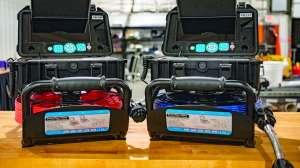
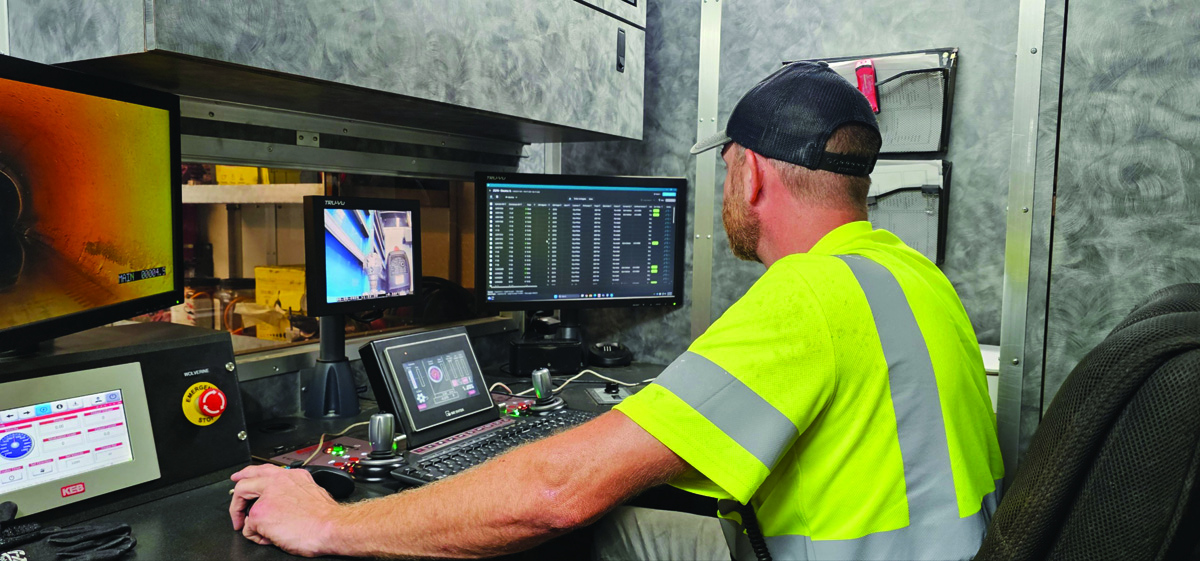
Problem: Cities, municipalities and districts depend on contractors to inspect their sewer and stormwater pipes to determine their condition for capital planning. But pipe inspections produce massive amounts of data that can be challenging to manage and deliver among various municipal departments and their consulting engineers. Inspections are commonly delivered on USB flash drives, complicating data management and delaying delivery, payment and city planning. The problem becomes more pronounced at scale, with more trucks, linear feet of pipe, and clients.
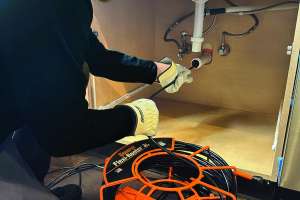
Solution: For North American pipe repair contractor SAK, PipeTech Hub has helped save time and effort organizing and delivering inspections to clients. It utilizes cloud technology to bypass handing off physical inspections and large data storage. The inspection management system organizes data and syncs inspections from the truck to the office, preventing losing reports. With PipeTech Hub, contractors and cities can deliver and access inspections with a link, integrate and use GIS in the field, and manage projects from inception to delivery.
Result: “Hub enables collaboration with other groups that are using the software, whether it’s a subcontractor or a partner,” says David Hill, CCTV inspection manager for SAK. “With Hub, it’s a straighter path for the QC team to receive the video and review it. There’s a lot less data usage as far as downloading videos to laptops and uploading it to another location. Plus, it’s operator-friendly, simplifying training and shortening downtime. You just have to click a button.” 616-676-9811; www.pipetech.tv
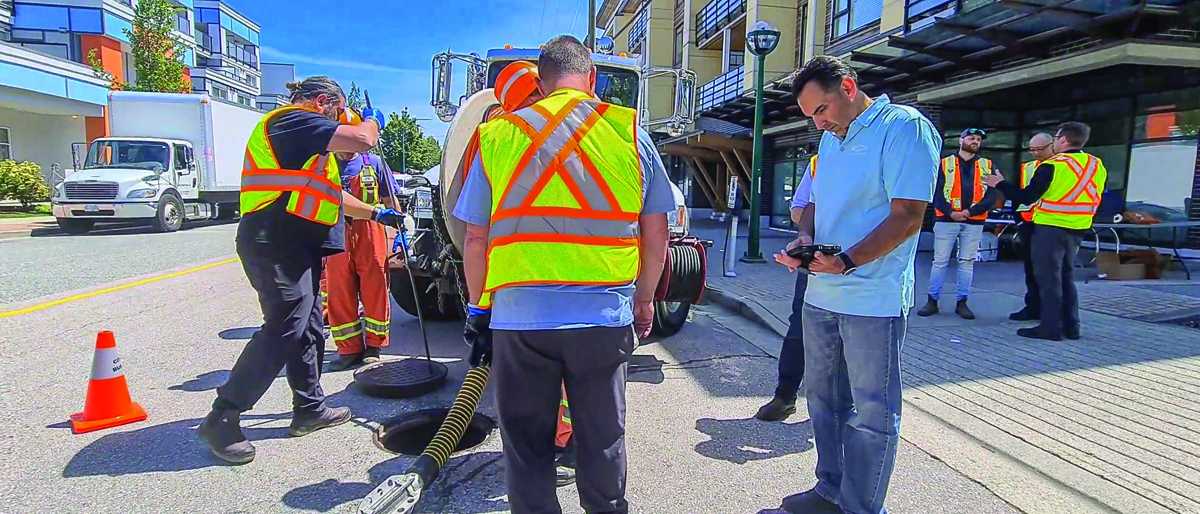
Video nozzle enhances sewer cleaning verification
Problem: During a sewer cleaning project in Burnaby, British Columbia, the project team needed a way to verify cleaning quality and document pipeline conditions without performing a separate CCTV inspection after cleaning. Traditional workflows often require multiple site visits and additional inspection equipment to confirm cleaning results, increasing both operational time and costs.
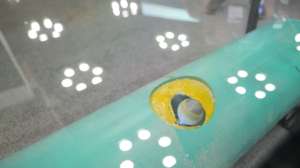
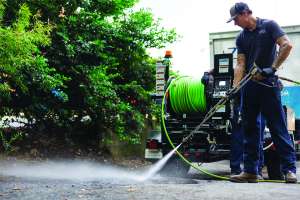
Solution: To streamline the process, the C70 Video Nozzle from Sewer Robotics was deployed to combine high-pressure cleaning and HD video inspection into a single operation. While cleaning the pipeline, the self-leveling HD camera continuously recorded video footage, allowing operators to immediately verify cleaning effectiveness and assess pipe conditions directly on site. The recorded footage was wirelessly transferred to a tablet for instant review and automatically synchronized with Sewer Analytics, the cloud-based asset management platform from Sewer Robotics. Along with the video, the system automatically stores the date, time and GPS location of each cleaning operation, creating a complete digital record of the work performed. A key advantage of the workflow is the integration of AI. The AI software automatically analyzes recorded videos and can identify, classify and prioritize pipe defects that may not be immediately visible during a quick visual review. This provides operators and asset managers with more reliable information while reducing the amount of manual inspection work required.
Result: By combining cleaning, inspection, documentation and AI-powered defect analysis into a single workflow, the project team improved operational efficiency, reduced the need for separate follow-up inspections and gained valuable insight into pipeline conditions for future maintenance planning. 717-658-4532; www.sewerrobotics.com
Continue reading for free