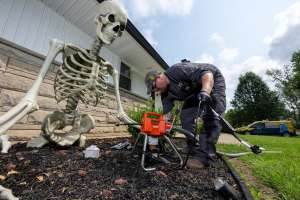

Electric cutter fits unique municipal needs in ongoing pipe maintenance
Problem: As part of its proactive underground infrastructure maintenance program, the Lancaster (Pennsylvania) Department of Public Works inspects and maintains approximately 8 miles of active 8- to 12-inch terra-cotta combined sewer and wastewater pipe each year. Crews identify locations requiring root, offset and intrusion removal, then spend up to a week at a time completing cutting work without taking the pipes out of service. A unique challenge was finding a cutting system compact enough to fit alongside a mainline inspection system inside a van, allowing crews to navigate narrow roadways and residential streets where a box truck is less practical.
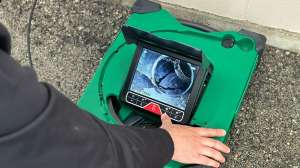
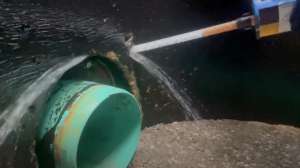
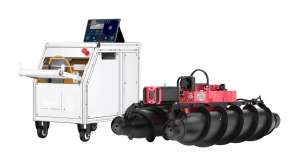
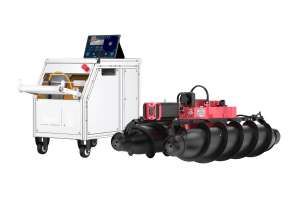
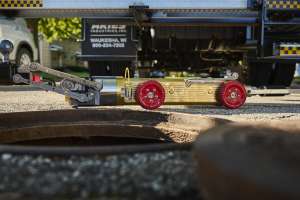
Solution: Aries Industries equipped a Ford Transit Van with a Voyager HD Mainline Inspection System and a Wolverine 2.0 Self-Propelled Robotic Electric Cutting System. The Wolverine’s electric design made the van installation possible, eliminating the need for an air compressor that would require a larger truck. One challenge the crews encounter is working in active pipes and maintaining visibility. The Wolverine’s integrated WiperCam keeps the camera lens clean without removing the system from the pipe, allowing crews to maximize productivity during pipe rehabilitation field work.
Result: The van-based system provides the mobility needed to reach tight residential areas while allowing crews to efficiently perform ongoing maintenance. Keeping the camera lens clean inside the pipe helps maintain visibility and productivity throughout the workday. 800-234-7205; www.ariesindustries.com

Liner system used to rehab piping on historic property
Problem: The historic Miramar Mansion in Newport, Rhode Island, required sensitive renovation more than a century after its construction. One of the key challenges involved aging vertical roof leader pipes hidden behind the original stone exterior. Conventional replacement methods would have required demolition of historic masonry, putting the structure’s architectural integrity at risk and potentially delaying the restoration.
Solution: The contractor turned to Flow-Liner for a noninvasive repair option. A Flow-Liner Certified Installer used their CIPP system to rehabilitate the enclosed roof drains from the rooftop to the stormwater system below. The project utilized a 4-inch, 3 mm Semi-Flex liner, which provided the flexibility and structural strength needed to navigate the existing piping system while creating a durable, seamless new pipe within the old one. Installation was completed using the Flow-40 inversion unit, a compact and versatile system designed for efficient installation of small-diameter CIPP liners in challenging environments. The trenchless process eliminated the need for excavation or demolition, preserving the mansion’s historic structure throughout the rehabilitation.
Result: The roof drainage system was fully restored while preserving the integrity and beauty of the estate’s original stone exterior. The project was completed without damage to the historic architecture and remained on schedule, allowing the renovation to move forward without costly structural repairs. By combining the Semi-Flex liner with the Flow-40 inversion system, the team successfully delivered a modern, long-lasting pipe rehabilitation solution while protecting one of Newport’s most historic landmarks. 800-348-0020; www.flow-liner.com
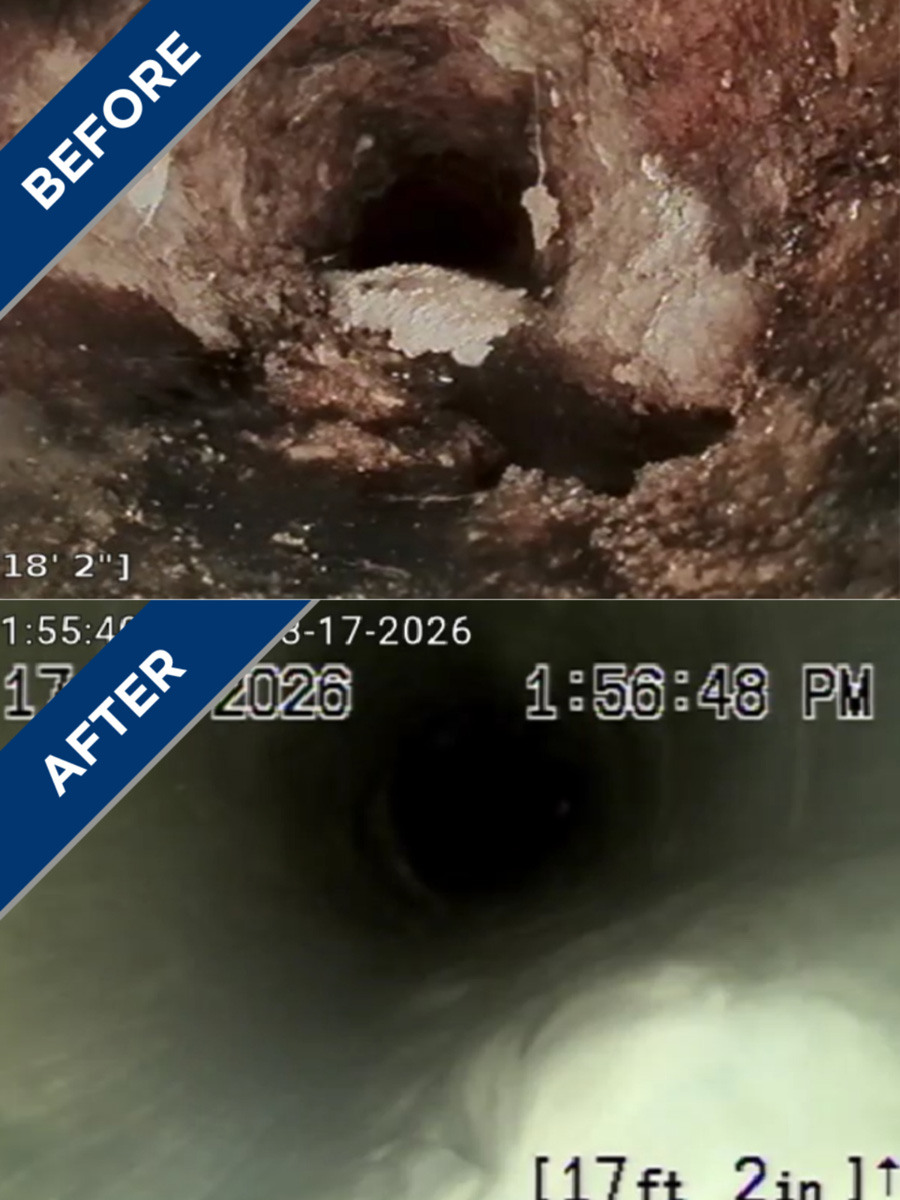
Resin lining used to to rehab cafeteria piping
Problem: A cafeteria serving a large health products manufacturing plant in the Midwest was experiencing a leakage problem from a 3-inch concrete pipe. Restaurants and other food service installations add a particular strain on pipes because of the presence of not just grease, but also powerful cleaners, which can be a problem for lining solutions designed for residential uses. Opening the floor to replace the pipe would have been a serious disruption to the plant’s operations for multiple days, if not weeks.
Solution: A local FORMADRAIN team visited the facilities to clean and inspect the line. The team quickly determined that their industrial grade resin, Formapox 301, designed to withstand extreme conditions, was the way to go. It is resistant to strong acids such as sulfuric acid, citric acid and also resistant to hydrocarbons and caustics — a little bit much, but perfect for use in a busy cafeteria and uniquely suited to offer a permanent solution to the issue. During a second visit, a 40-foot-long liner was installed through existing access points and two connections were reinstated. Because of the steam curing process and minimal smell, there was no need to evacuate the space or to halt any operation not directly requiring the drain. The work was completed in a half-day.
Result: By choosing a no-dig solution, the client was able to regain full use of their cafeteria while also minimizing disruption to operations. 888-337-6764; www.formadrain.com
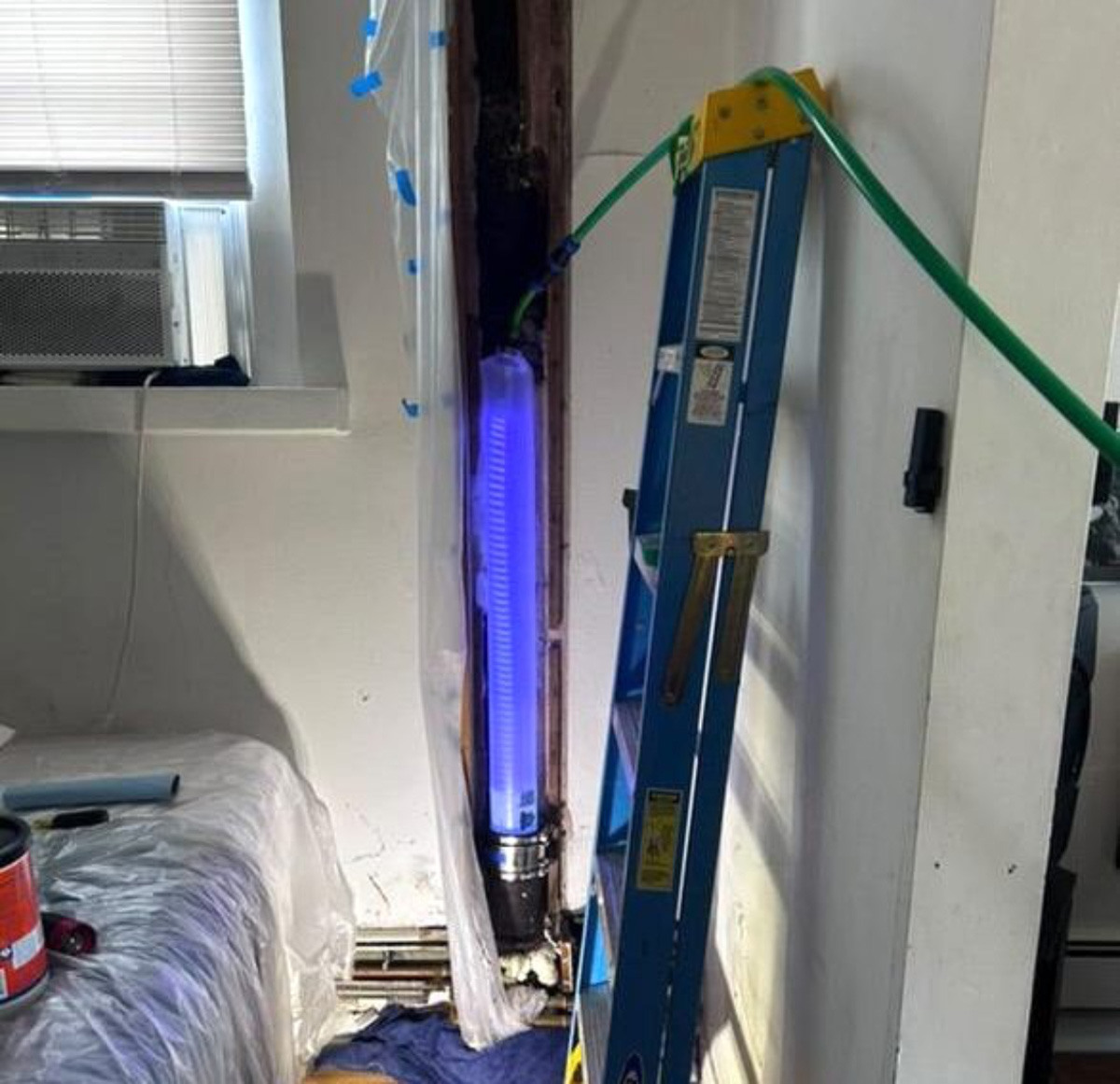
UV patch repair solves cast iron failure without breaking concrete
Problem: Professional Plumbing & HVAC, run solely by Patrick Hansell, was called to repair a failing 4-inch cast iron pipe in West Chester, Pennsylvania, where the cleanout fitting had a large hole in the backside. Heating pipes surrounded the area, making traditional dig-and-replace methods nearly impossible without major disruption. As a one-person company, Hansell needed a noninvasive solution that allowed flexible working time and avoided the challenges of fast-curing resin systems.
Solution: Hansell turned to the Gator Drain Tools UV Lining System, a cost-effective and accessible option for contractors of any size. He cut out the accessible section of the cast iron stack, descaled the pipe, and jetted the line to prepare it for repair. Using the UV system, he installed a 3-foot UV patch that covered the damaged cleanout and extended into the underground slab area without breaking concrete or disturbing the surrounding heating lines. The UV curing process was a key advantage, giving him unlimited working time to position the liner precisely. This flexibility made the system ideal for his one-person operation. “The UV patching system is a nice addition to my sewer jetting/cleaning business,” says Hansell. “Having no time limit on the installation process was the reason I chose this system.”
Result: Hansell completed the repair quickly, cleanly and with zero demolition. The homeowner avoided costly excavation, and Hansell expanded his service capabilities with a tool designed for field efficiency. 866-428-6721; www.gatordraintools.com
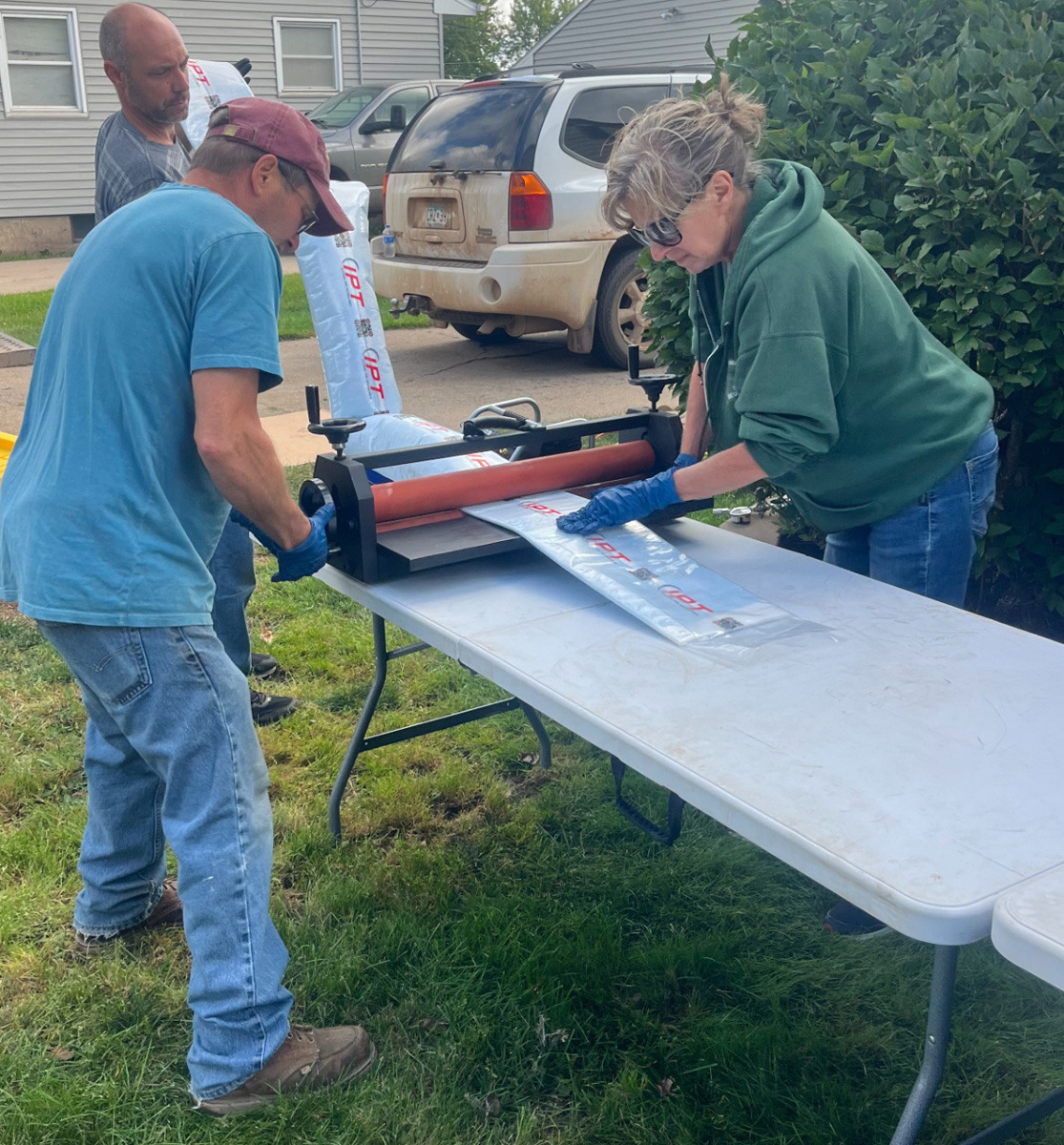
CIPP lining a solution to rehab aging clay sewer line
Problem: A residential property in Hibbing, Minnesota, required rehabilitation of an aging 6-inch clay sewer line running approximately 35 feet from the basement to the city line. With traditional excavation being disruptive and time-consuming, the project provided an ideal opportunity to demonstrate how trenchless CIPP lining can restore damaged underground piping with minimal impact to the homeowner’s property.
Solution: Internal Pipe Technologies worked hand in hand with ACS Sewer Rehab as part of IPT’s Partner Program, providing comprehensive on-site pipe lining training during the project. Using IPT’s trenchless CIPP lining technology, the team relined 35 feet of 6-inch clay pipe through existing access points, allowing ACS Sewer Rehab’s team to gain hands-on experience with the full lining process from preparation through installation.
Result: The project successfully restored the residential sewer line while giving ACS Sewer Rehab valuable field training with IPT’s pipe lining systems. The session strengthened ACS Sewer Rehab’s ability to offer trenchless pipe repair solutions in Hibbing and surrounding areas, helping it expand services beyond drain cleaning and into long-term sewer rehabilitation. The project also highlighted the value of IPT’s Partner Program in supporting contractors with the tools, materials and training needed to grow pipe lining capabilities. 888-478-6649; www.internalpipetech.com
FFRP rehabilitation restores critical transmission main
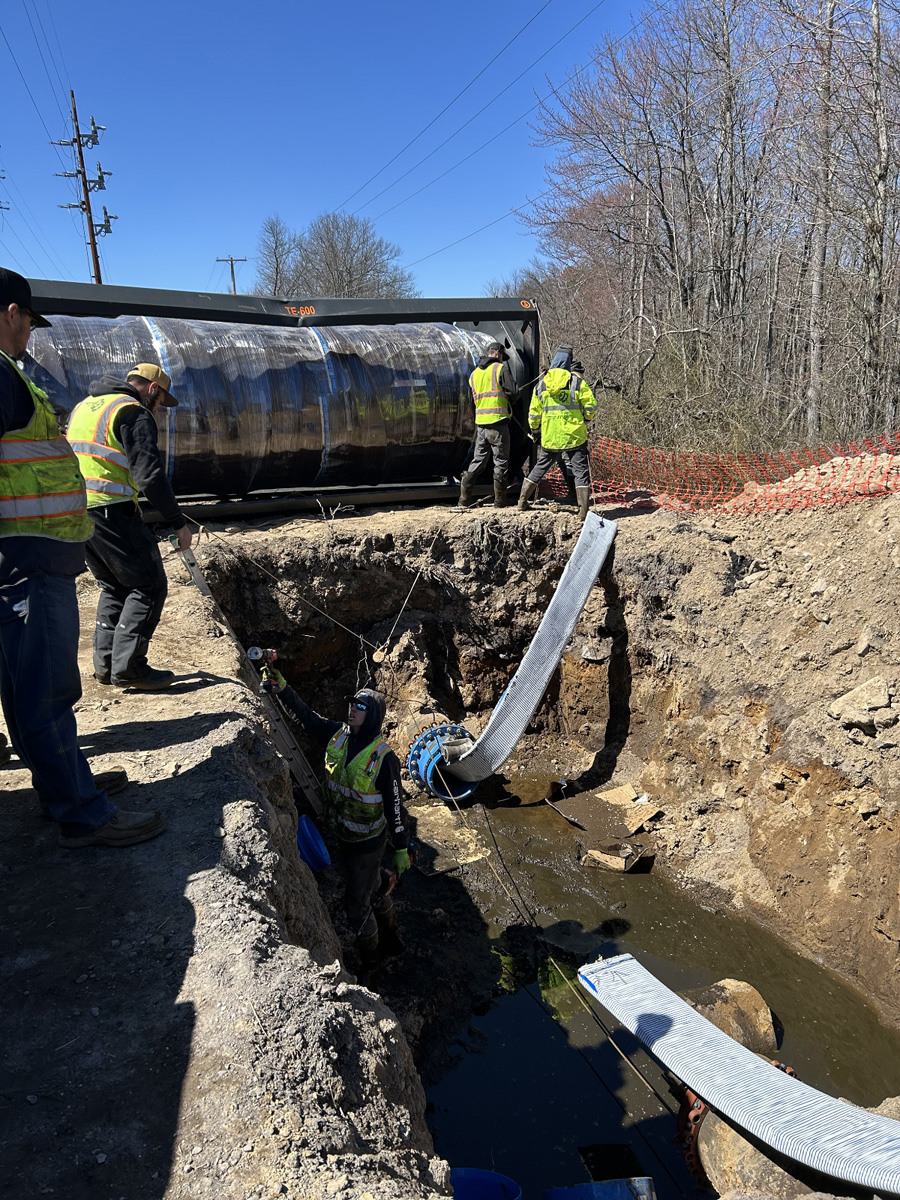
Problem: Municipal utilities across North America face increasing challenges from aging pipeline infrastructure. For the Hazleton City Water Authority, more than 10,000 linear feet of 20-inch cast iron raw water transmission main, originally installed in 1915, had experienced multiple failures, leaks and reliability issues. The line traversed environmentally sensitive wetlands and protected wildlife areas in Pennsylvania’s northern mountain coal region where opencut replacement, CIPP and PE sliplining presented limitations related to excavation, permitting, access, staging, pressure performance or hydraulic capacity.
Solution: After evaluating rehabilitation alternatives with a design engineer, the authority selected Raedlinger Primus Line’s Flexible Fabric Reinforced Pipe technology. This system met the 250 psi operating requirement and could support the planned increase in system capacity from 5 to 10 mgd. Four long pulls — two 3,000-foot installations and two 2,400-foot installations — reduced the number of excavation pits. Compact, reel-based deployment and 10-by-8-foot access pits reduced the construction footprint in difficult and environmentally restricted terrain.
Result: The rehab helped to restore the critical water transmission main while minimizing environmental impact and improving long-term operational performance. Traditional replacement would have taken approximately one to two months, but Advantage Reline rehabilitated the existing line in only one week, minimizing customer service outages. Furthermore, the authority and project manager added an additional 3,000 linear feet of 8-inch pipeline rehabilitation for a separate offsite section during construction. 843-997-2154; www.primusline.com
Overnight trenchless rehab restores drainage stack in long-term care facility
Problem: A cracked cast iron sanitary stack inside a confined mechanical shaft had begun leaking within an 11-story long-term care facility in Quebec City. Housing more than 200 residents — including individuals living with Alzheimer’s disease, cognitive impairments and patients requiring ongoing medical care — the facility could not accommodate the disruption associated with conventional pipe replacement. Traditional rehabilitation would have required extensive demolition, difficult access through occupied spaces and potentially the temporary relocation of vulnerable residents, creating major logistical challenges.
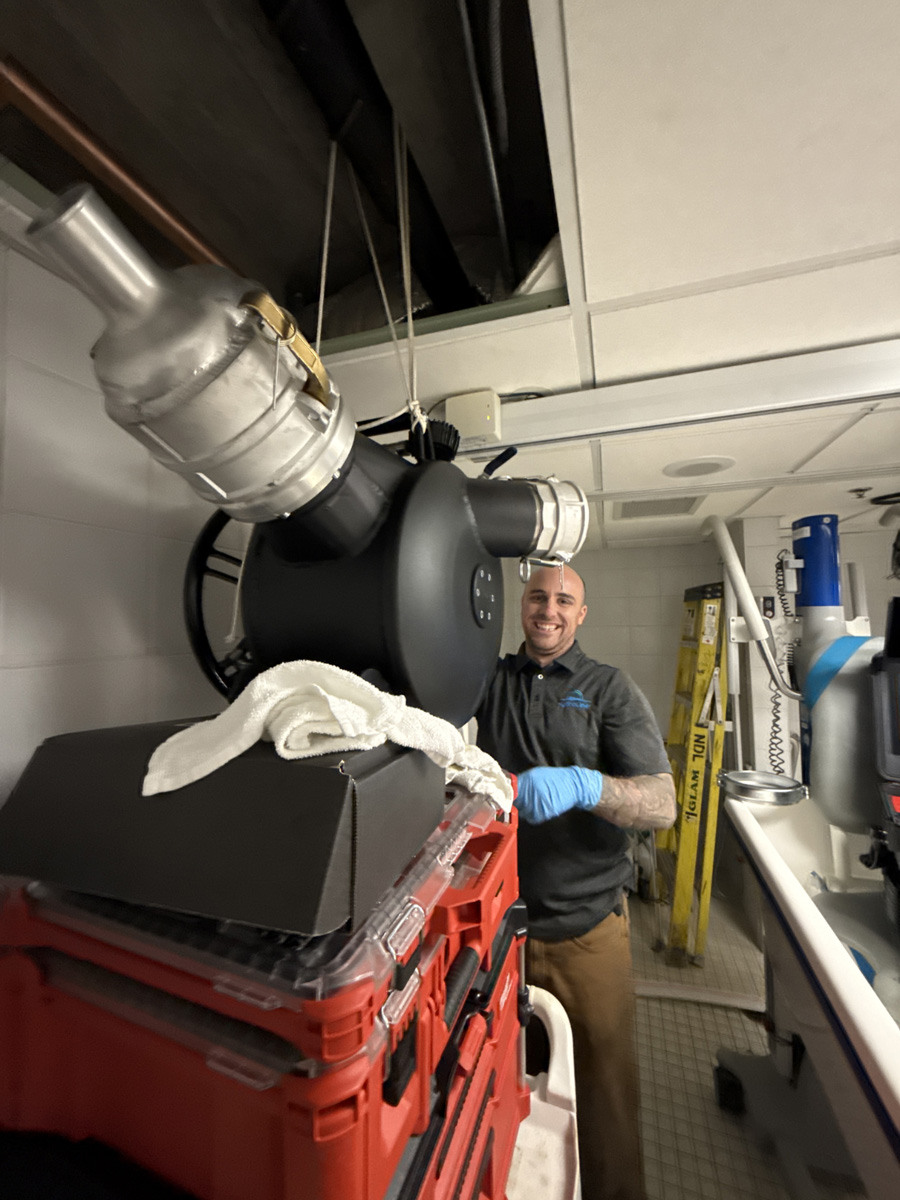
Solution: HydroLiner rehabilitated the entire 130-foot sanitary stack using trenchless CIPP technology. To minimize the impact on residents and healthcare staff, all work was performed during overnight hours. Pipe preparation was completed using the Renssi RCM-10-PLUS milling machine equipped with the Knocker Kit and Sandpaper Kit to remove corrosion and prepare the cast iron surface. The structural liner was installed using the RID-600-S Inversion Drum. Following curing, 10 3-inch branch connections were mechanically reinstated using the Cutter Kit. HydroLiner then installed 10 Y-branch liners, followed by localized point repair liners at every branch interface using the R-Vac-2 Controller and steam curing system to create durable, watertight connections.
Result: The project restored the structural integrity and watertight performance of the sanitary stack without excavation or major building disruption. By eliminating the need for resident relocation while maintaining uninterrupted healthcare services, the installation demonstrates how trenchless rehabilitation provides a reliable, long-term solution for renewing aging drainage infrastructure in occupied healthcare facilities. www.renssi.com
Continue reading for free