

Before any sewer cleaning or maintenance project in residential or commercial buildings, conducting a thorough sewer assessment is critical.
This comprehensive process helps identify potential issues, evaluate the condition of the sewer system and determine the most appropriate course of action.
This is an overview for service technicians on how to conduct a thorough sewer assessment. Following these steps will enable technicians to gather essential information, accurately diagnose problems and ensure effective sewer cleaning and maintenance.
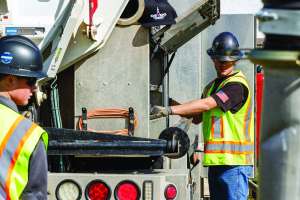
Prior to initiating the sewer assessment, technicians must prioritize safety measures to protect themselves and building occupants. Wearing appropriate PPE such as gloves, goggles and respiratory masks is crucial. Technicians should adhere to the safety guidelines provided by their company or regulatory authorities.
Clear communication and coordination with the residents or building owners are essential to inform them about the assessment process, potential disruptions and the need for temporary water supply adaptations when necessary. By effectively communicating the purpose and expected changes, technicians can minimize inconveniences and ensure a smooth assessment.
To conduct a thorough sewer assessment, technicians should aim to gather as much relevant information as possible about the building’s sewer system. Reviewing past records of repairs and maintenance, understanding recent plumbing issues occupants have experienced, and documenting any reported signs of sewage problems are all important steps.
Additionally, gaining insights into the building’s age, construction material and plumbing layout allows technicians to anticipate potential issues and focus their inspection efforts accordingly. It is also beneficial to consult the occupants and ask specific questions to better understand the challenges they have faced, if any, related to the sewer system.
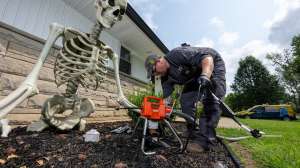
A visual inspection is the initial step in assessing the condition of the sewer system. Technicians should begin by examining visible components such as cleanouts, drain openings and inspection ports. They should carefully analyze these areas for signs of blockages, cracks, corrosion or other visible damage.
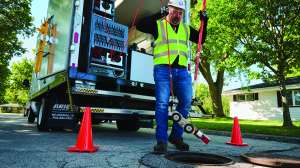
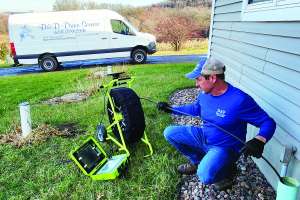
Using proper lighting and a camera mounted on a flexible rod, technicians can perform a visual inspection of the sewer lines. This allows them to assess the condition of the pipes, identify any damage or blockages and determine the presence of structural issues within the sewer system.
During the visual inspection, technicians should pay attention to unusual wear patterns, signs of misalignment or separation or evidence of root intrusion. Taking detailed notes, measurements and photographs is crucial for accurate documentation and further analysis.
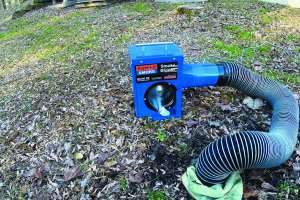
Smoke testing is a beneficial technique in identifying potential leaks or defects within the sewer system. This procedure involves injecting harmless smoke into the sewer lines through access points such as clean-outs or roof vents. By observing the appearance of smoke in various locations such as roof vents, manholes or indoors, technicians can assess the presence of leaks or defects.
Unexpected smoke emerging in areas like plumbing fixtures, basements or crawl spaces indicates potential leaks or defects within the sewer system. Smoke testing helps uncover hidden cracks, gaps or faulty connections that can cause sewer odor or stormwater infiltration.
Technicians should focus on the detection of smoke leakage points, which can provide valuable clues about damaged or faulty sections of the sewer lines. Marking these leakage points and documenting them accurately will assist in planning the necessary repairs or maintenance.
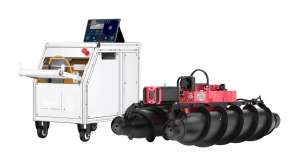
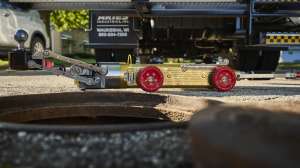
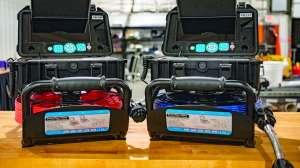
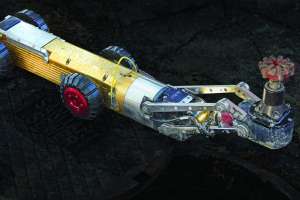
Video inspection is a crucial step in conducting a thorough sewer assessment. By inserting a specialized camera into the sewer lines and capturing high-resolution footage of the interior, technicians can perform a comprehensive analysis of the pipes’ conditions.
Technicians should systematically navigate the camera through the sewer lines, paying close attention to joints, bends and areas with frequent clogs. They should meticulously observe for signs of corrosion, cracks, root intrusion or other potential issues. This thorough inspection helps technicians accurately diagnose the root cause of sewer problems and design an effective cleaning or maintenance plan.
During the inspection, it is essential for technicians to capture clear and detailed footage. Alongside recording any visible damage or blockages, technicians should take measurements of the pipe diameter and note the material used. This information is crucial for determining the appropriate cleaning method and selecting the right equipment for the job.
Technicians should also look out for irregularities in the pipe structure, such as misalignment or separation. These can contribute to leakage or potential collapses. Any abnormalities observed through the inspection should be documented with timestamps and precise locations, enabling the technicians to refer back to specific areas during the planning and execution stages of the cleaning or maintenance process.
After completing the sewer assessment, technicians must thoroughly evaluate their findings and develop a comprehensive report. This report serves as a vital guide for the building owner or manager in understanding the condition of the sewer system and the recommended actions for cleaning or maintenance.
The report should include a detailed summary of all observed issues, including any signs of damage or blockages, the presence of leaks or defects and the extent of root intrusion. Technicians should provide recommendations for repair or cleaning techniques, outlining the most suitable approaches based on the severity of the issues encountered.
In addition to the identified problems, the report should include estimated costs, timelines for potential repairs or maintenance, and suggestions for preventive measures that could prolong the life span of the sewer system. The technicians should also outline any potential risks associated with neglecting or delaying the recommended actions.
To enhance the report’s effectiveness, technicians can include visual documentation such as photographs or video stills of the observed issues. Labels and annotations on the visual materials help clarify the areas of concern and assist the building owner or manager in visualizing the extent of the problems.
Continue reading for free