
When you first step into drain cleaning, where every day is a surprise party hosted by mystery sludge, it’s easy to be captivated by high-dollar, high-tech equipment. Before you know it, you think you need a full-scale combination sewer cleaner or truck jetter to clear a kitchen sink clog. But unless you have a spare mountain of cash sitting around, going straight for the luxury rig before taking your very first service call is a one-way ticket to debt city.
You don’t need an armada of equipment to conquer the majority of everyday drain disasters. Mastering the basics with dependable, budget-friendly tools is what builds true "pipe feel," aka that magical intuition for sensing what’s happening deep inside a wall. Before you drop tens of thousands on high-end rigs, make sure your starter kit has the bread-and-butter essentials that actually make you money.
1. Safety Gear
Be honest, drain cleaning is not a delicate art, and pipes love to spit back. Your hands and eyes are your moneymakers, so make them a priority. Skimping on personal protective equipment is the quickest way to turn a routine service call into an embarrassing trip to the ER.
First, regular work gloves can be a trap when dealing with spinning cables; they get snagged, twisted and yanked faster than you can exclaim, "What?!?" Invest in heavy-duty leather gloves or specialized cable-feeding gloves lined with embedded staples or guards. The embedded materials allow you to feel line resistance safely without sacrificing your skin to a rotating cable.
Second is eye protection. Pipes hold old secrets, pressurized water and questionable goo that will inevitably try to hit you in the face. Impact-resistant safety glasses or a complete face shield are nonnegotiable insurance when pulling back a cable or popping a pressurized clean-out plug.
2. Hand Tools and Compact Workhorses
Before you wrestle a giant machine down a narrow flight of basement stairs, look to your more compact tools. For small indoor lines like sinks, tubs and showers, hand tools or a smaller rig can get you in and out in minutes. A nimble unit such as the Milwaukee Tool M18 Drain Snake or RIDGID PowerClear drain cleaning machine gives you cordless freedom to handle stubborn small-scale clogs without dragging extension cords through a customer’s living room. For straightforward obstructions, a drop-head auger cable or classic hand auger can navigate tight traps smoothly, keeping overhead at virtually zero and profit margins high.
When you need a bit more muscle for medium residential lines without hauling a freight train, step up to portable cable machines. Options like Spartan Tool cable machines (such as the Spartan 100 or 300) or General Pipe Cleaners’ Sewerooter T4, which uses 9/16-inch Flexicore cable for maximum torque, pack power without eating up space. They clear up to 100 feet of line with ease and fit comfortably in the back of a standard service van.
3. Choose the Right Service Vehicle
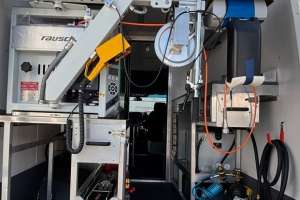
Your service vehicle is more than just transportation; it is your mobile workshop and your customer’s first impression. Start with a properly sized van or truck to ensure you can securely transport your cable machines, jetters and safety gear without overloading the chassis. Organize your layout with dedicated shelving, water tank mounts and easy-access ramps to save critical setup time at job sites and protects your heavy-equipment investment during transit.
4. Graduate to Specialized Gear
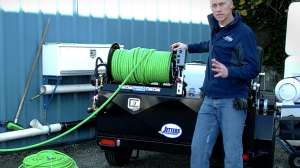
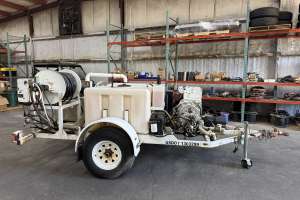
Once your business is rolling along and you’ve mastered manual pipe feel, it’s time to invest those hard-earned dollars into specialized gear to scale productivity. When grease, soft stoppage or heavy scale buildup demand more than a standard cable, compact jetters like the General Pipe Cleaners JM-1000 X water jetter let you blast through blockages using high-pressure water. Water jetters of this scale are lightweight, incredibly portable and built specifically for tight indoor lines like sinks and tubs.
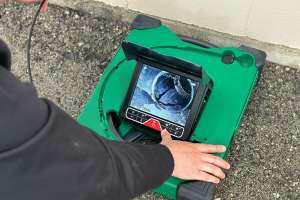
For high-speed cleaning and complete descaling, lightweight flexible shaft machines are worth the wallet hit. Drill-powered units like the RIDGID FlexShaft K9-102 (for 1 1/4- to 2-inch lines) and K9-204 (for 2- to 4-inch lines) feature chain knockers encased in protective sheaths, allowing you to run an inspection camera while simultaneously destroying clogs. If you plan to get into larger-scale pipe lining services down the road, specialized descaling units like the Renssi RCM-10 provide the raw prep power needed to restore heavily corroded cast iron lines. Walk before you run, build your foundation and your drain cleaning arsenal will grow with your bank account.
5. Invest in the Right People
The world’s most advanced machinery is only as effective as the technician operating it. Hiring team members who demonstrate strong problem-solving skills, customer service empathy and a high respect for safety protocols is essential for growth. Continuous hands-on training that covers line feel, equipment maintenance, camera inspection analysis and proper PPE compliance builds confidence, reduces costly job-site mistakes and ensures long-term business success.
Looking for more practical field advice and trade tips? Subscribe to Dirty Drops Weekly at Cleaner.com/dirty-drops for the latest job site insights, equipment spotlights and career growth guides.
Continue reading for free