
Hydroexcavation might seem like a modern innovation, but its roots go back decades. This method — using pressurized water and a vacuum system to safely expose underground utilities — has evolved from a niche technique to an industry standard. Here’s how it got there.
1. Early Beginnings: The Need for a Safer Dig
Before hydroexcavation, digging was done with shovels, backhoes and trenchers — methods that often led to utility strikes and dangerous job site conditions. In the mid-20th century, vacuum excavation started gaining attention, primarily in Canada, where frozen ground made traditional digging even tougher. Contractors began experimenting with high-pressure water to break up soil without damaging underground infrastructure.
2. The First Hydroexcavation Units
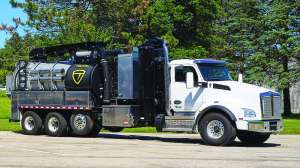
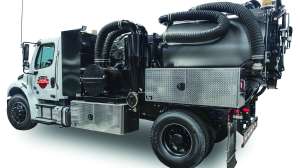
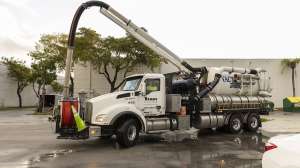
By the 1960s and 1970s, early hydrovac trucks started appearing. These units combined water jets with industrial vacuum systems to efficiently remove soil. At first, they were primarily used in colder climates for thawing frozen ground, but operators quickly realized the benefits for utility and pipeline work.
3. Industry Growth and Adoption
By the 1990s and early 2000s, hydroexcavation technology had advanced significantly. More contractors and municipalities recognized its value in preventing utility strikes, reducing labor costs, and minimizing surface disruption. Regulations also started shifting in favor of non-destructive digging, pushing hydrovac adoption even further.
4. Hydroexcavation Today
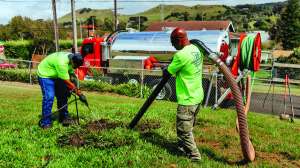
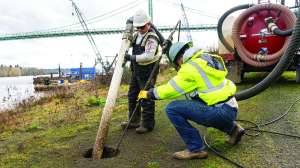
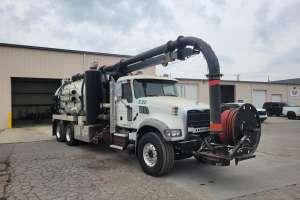
Now, hydroexcavation is a go-to method for daylighting, potholing, and trenching near sensitive infrastructure. Modern units are more powerful, efficient, and capable of handling different soil conditions. Many areas even require hydroexcavation for certain projects to prevent accidents and keep workers safe