
When you're picking out a jetter, one of the first questions you'll run into is: should I prioritize psi or gpm? Flow or pressure? It's a fair question, and one that trips up both first-time buyers and seasoned pros. The truth is, gpm and psi each serve a different purpose in the jetting game, yet it takes both to create cleaning power. In this breakdown, we’ll dive into the real-world performance of both pressure and flow, how they work together, and which setups deliver the best water jets for attacking various blockages and buildup in the pipe.
Water volume impacts
The more gallons per minute a jetter produces, the “larger” its waterjet streams will be as they shoot out of its jetting nozzle. Larger water jets have more volume, thus more impact in the cleaning, as well as more flushing action. Think of the size of a claw-hammer versus a sledgehammer; the more massive one will obviously have more impact. It’s the same with gpm. If the gpm is adequate the sheer volume of water will punch through blockages, then carry away the debris. If you want to move larger rock/bricks/grease clogs, etc., you’ll need more gpm. This is why city and county crews clean 8- to 12-inch pipe with 40-60 gpm, and larger pipelines with 80-plus gpm trucks. This is also why little 2 gpm electric jetters don’t have the impact to attack tough blockages and struggle to flush out debris. For service jetting, 8-plus gpm up to 20 gpm, is plenty to do “rooter class” cleaning. The gpm you will need depends greatly on the pipe diameters you’ll most typically clean - we will unpack that later in this blog. Another factor is whether or not you really are required to flush/scour the line clean, versus simply clearing a blockage to restore flow.
Water velocity penetrates and cuts
As you read a jetter’s pressure gauge, what it really tells you is the speed of the water jets as they shoot out of the cleaning nozzle. Literally, 3,500 psi water jets are moving faster than 2,500 psi water jets. The whole reason we build pressure in a jetting system is to force the water to speed up in order to escape the nozzle and hit the blockage or buildup to be cleared. And the faster the water jets are moving the more penetrating and cutting action they can offer us. However, remember that it takes gpm of water to do cleaning. And if we think of gpm as the size of our jetting “hammer,” then think of psi as an indication of how fast we can swing that hammer at a blockage or buildup in the pipe. The high-pressure water jet streams from a premium jetting nozzle will have cutting power if the gpm and psi is adequate, and experience has shown that a 3,000-4,000 psi jetter with 8 or more gpm - and the right nozzle/tool - will indeed cut out root masses, chop up solidified grease, carve out hardened buildup, etc. We’ve shipped hundreds of jetters that do 9 gpm/4,000 psi for cutting out this kind of crud from 3- to 8-inch drains and sewers. Pressure cuts, which is why 3,000-4,000 psi jetters are so common with contractors who get paid to cut out tree roots and tough blockages. This is also why small 1,500-2,000 psi electric-powered jetters are only used for softer blockages like sludge and soft grease; they simply lack the water velocity and volume to impact and clear the tough stuff.
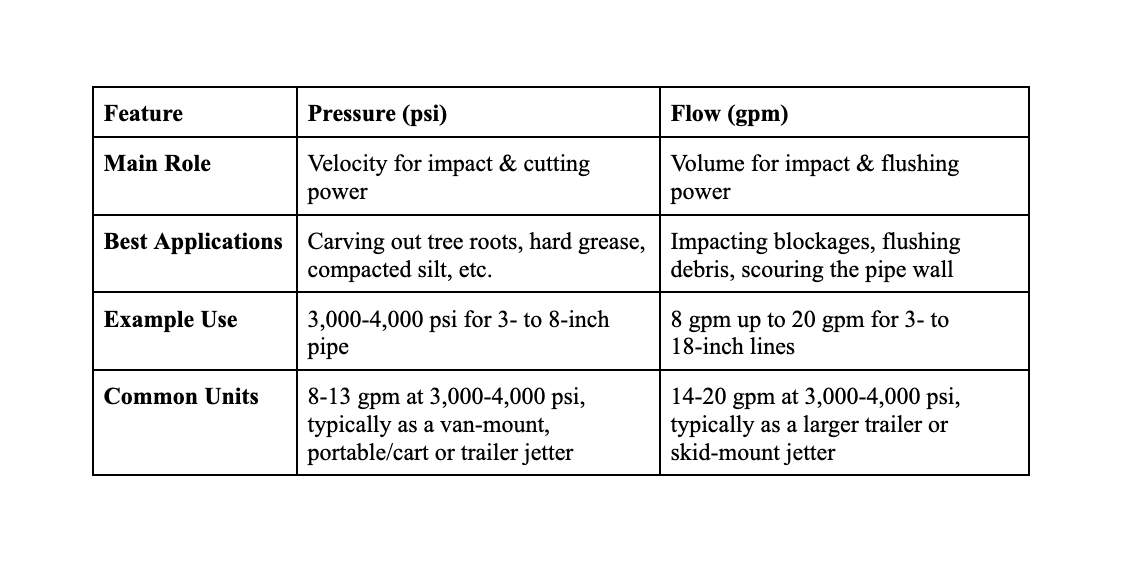
Real-world example: Pressure vs. flow in action
Here's a story from a contractor who was hired by a city to inspect an 8-inch pipe: When he got there, the City crew had been working for two hours trying to clear roots from the line with their big 65 gpm/2,000 psi jetting truck. The contractor had a 4,000 psi jetter in his van along with his TV system and the City let him take a crack at the roots. Running less than 10 gpm and using a Warthog slow-rotating cutter nozzle, the contractor cleared the roots in minutes, and then finished the video inspection that he was hired to do. The contractor said “You should have seen their faces!” Notice that he got done with a jetter under 30 hp what the City could not do with a 100-plus hp unit. How? Because:
- Pressure cuts
- He had the right jetter and nozzle for the job
In contrast, it is important to also realize that if we were talking about clearing rocks and debris (instead of cutting roots) then the story would be the opposite; the 65 gpm truck would run circles around the contractor’s van-pack jetter, because volume flushes. PRO TIP: Using the right nozzle/tool for the job has a huge impact on a jetter’s cleaning action; basic “penetrator” nozzles are not root cutting nozzles — choose the right nozzle for the job.
How pipe size should guide your gpm choice
It is wise to consider before choosing a jetter:
- What are the most common pipe sizes that your jetter will need to clean?
- What will the jetter’s primary job be for you? Clear soft clogs/sludge? Cut out tree roots/ hard grease, etc.? Flush debris/rocks/dirt, etc.?
- Will you primarily do quick clog busting jobs, or jet longer pipelines requiring complete scouring and flushing?
Most contractors are in the job of reestablishing flow in drains and side sewers. For clearing simple soft clogs, the jetter’s gpm should be at least equal to the diameter in inches of the pipe to be cleaned (e.g., 4 gpm for 4-inch pipe); but for rooter class jetting we recommend a 2-to-1 ratio of gpm to pipe diameter, such as 8-plus gpm jetter for clearing 4-inch pipe, 12-plus gpm for 6-inch pipe, etc. You can break through soft clogs in 4 inch and smaller pipe with only a few gpm, but higher flow jetters that put out 8-plus gpm up to 20 gpm will do a much better job of clearing blockages and buildup from 4- to 12-inch service lines without spending all day on the job. Again, choose gpm based on the pipe sizes you’ll most commonly be jetting, and whether you’ll do spot work or entire pipe runs. If you were to mow sports fields for a living you probably wouldn’t settle for a push mower, right? To get jetting jobs done in a timely manner don’t settle for a jetter with too little gpm. Also, understand that a jetter’s gpm is always listed at maximum throttle, so if the engine speed is reduced then the gpm reduces as well. Therefore if you can afford a higher gpm jetter then you can also slow it down to save fuel, reduce engine noise, and to lower the gpm flow when jetting smaller diameter indoor lines. The psi will be maintained if you have smaller nozzles that are sized for the lower gpm in addition to your standard full gpm nozzles. Those smaller nozzles pair up nicely with smaller diameter jetting hoses for indoor lines; a very common and profitable practice among rooter-class jetter operators.
Looking for the right jetter setup?
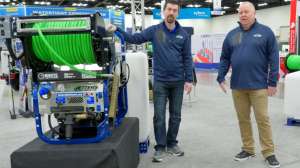
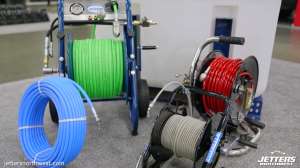
At Jetters Northwest, our goal is simple: equip you with the right jetting tools and knowledge for the job. Every drainline brings a different challenge, which is why we build jetters with gpm/psi options for cutting, flushing or striking the balance between both. Explore proven setups like Brute van-pack and cart jetters for everyday residential and light commercial lines, or the Eagle trailer jetter for bigger jobs and long runs, and handy Mini-Jetters for jetting small indoor pipes. Not sure which setup fits best? Give us a call. We’ll walk through your jobs with you and point you toward the jetter package that makes the most sense; no pressure, just practical advice from the shop floor.