
As urban areas experience rapid growth and population density increases, the strain on existing sewer infrastructure becomes a pressing concern.
As a sewer and drain technician, it is essential to understand the implications of this burden on our working environment and how to capitalize on these challenges to maximize opportunities and profits.
Overburdened sewer systems: As population density rises, so does water consumption and wastewater generation, placing an excessive load on sewer systems. The existing infrastructure may struggle to handle the increased sewage volume, leading to blockages, backups, and service disruptions. These issues can significantly impact the functioning of residential, commercial, and industrial sewer networks.
Increased pressure on treatment plants: With larger volumes of wastewater being produced due to population density, treatment facilities face unprecedented challenges. These facilities are under immense pressure to handle the increased demand while maintaining high treatment standards. The strain can lead to operational challenges, breakdowns, and increased maintenance requirements.
Infrastructure deterioration and aging: Rapid population growth often surpasses infrastructure development, resulting in the accelerated aging of sewer systems. Old pipes, joints, and connections are more prone to corrosion, cracks, and leaks, exacerbating issues within the network. Aging infrastructure requires greater attention and resources for repairs and maintenance. Here in the Pittsburgh area where I live, we are fortunate that the old megalithic steel mills had oversized everything. Giant water mains, gas mains, sewage and storm systems, power grids, etc. So, when we redeveloped, the utilities were sufficiently sized. But for growth areas of this country, that might not be the case.
Understanding your role
To adapt to the changing demands of the industry, sewer and drain technicians must upgrade their expertise and equip themselves with the knowledge and skills needed. This will enable them to effectively address the challenges arising from increased population density. Consider the following:
Upgrading expertise: Staying updated with the latest technologies, tools, and methods used in pipe inspection, cleaning, and repair is paramount. With trenchless techniques gaining popularity, technicians must familiarize themselves with methods such as pipe lining and pipe bursting to provide efficient solutions without disruptive excavation.
Emphasizing preventive maintenance: Educating clients about the benefits of proactive sewer maintenance is crucial. By offering regular drain cleaning services and encouraging routine inspections, technicians can prevent blockages and backups. This proactive approach ensures the smooth operation of sewage systems, reduces emergencies, and minimizes repairs for clients.
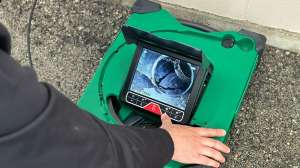
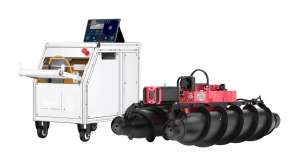
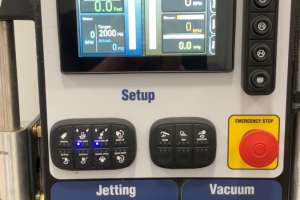
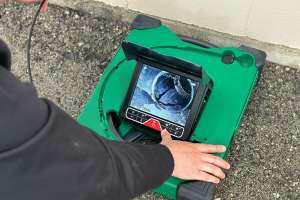
Efficient diagnosis: Investing in advanced diagnostic equipment is essential. Inspection cameras, which provide detailed real-time video, allow technicians to accurately identify sewer issues. Additionally, high-pressure jetting machines enable effective cleaning by removing built-up sediments, tree roots, and other obstructions.
Maximizing opportunities and profits
While increased population density poses challenges, it also presents numerous opportunities for sewer and drain technicians:
Building strong relationships: Developing partnerships with local municipal authorities, property managers, and developers is a strategic move. By providing quality services and demonstrating expertise, technicians can position themselves as a preferred choice for regular maintenance contracts and large-scale projects. Municipal contracts provide a steady stream of work, while property managers and developers offer opportunities for new construction or renovation projects.
Expanding services: Technicians can consider diversifying their offerings to cater to specific needs arising from population density issues. Services such as sewer line inspection, jetting, grease trap cleaning, and emergency response teams can provide specialized solutions. By expanding their service repertoire, technicians can capture a larger market share and increase profits.
Go green: Embracing sustainable practices not only benefits the environment but also helps attract environmentally conscious clients. Implementing eco-friendly products such as enzyme-based cleaning solutions and promoting low-water consumption systems can set technicians apart from their competitors. By offering greener alternatives, technicians can contribute to the overall health and preservation of sewer infrastructure.
Collaborate with other professionals: Building networks and alliances with professionals such as plumbers, electricians, and other contractors can open up new avenues for business growth. By forming strategic collaborations, technicians can leverage each other's expertise to provide comprehensive solutions for sewer infrastructure challenges. This collaboration can be particularly beneficial in new construction projects or building renovations.
Invest in training and certifications: Enhancing professional credentials through industry training and certifications is critical for staying ahead in the field. By investing time and resources in acquiring the necessary qualifications, technicians can improve their skills and expand their knowledge base. This positions them to handle more complex projects and distinguish themselves in a competitive market.
A final word
The accelerating population density in urban areas has a profound impact on sewer infrastructure. However, with effective adaptation and forward-thinking strategies, sewer and drain technicians can maximize opportunities and profits amidst these challenges. By understanding the consequences of increased population density, upgrading skills, and focusing on preventive maintenance, technicians can remain at the forefront of this evolving field.
Simultaneously, they contribute to the efficient functioning of sewer systems and ensure the well-being of the communities they serve. Embracing innovation, forging strong relationships, and diversifying services will allow technicians to thrive in this changing landscape while addressing the growing demand for sewer infrastructure and maintenance services.
About the Author
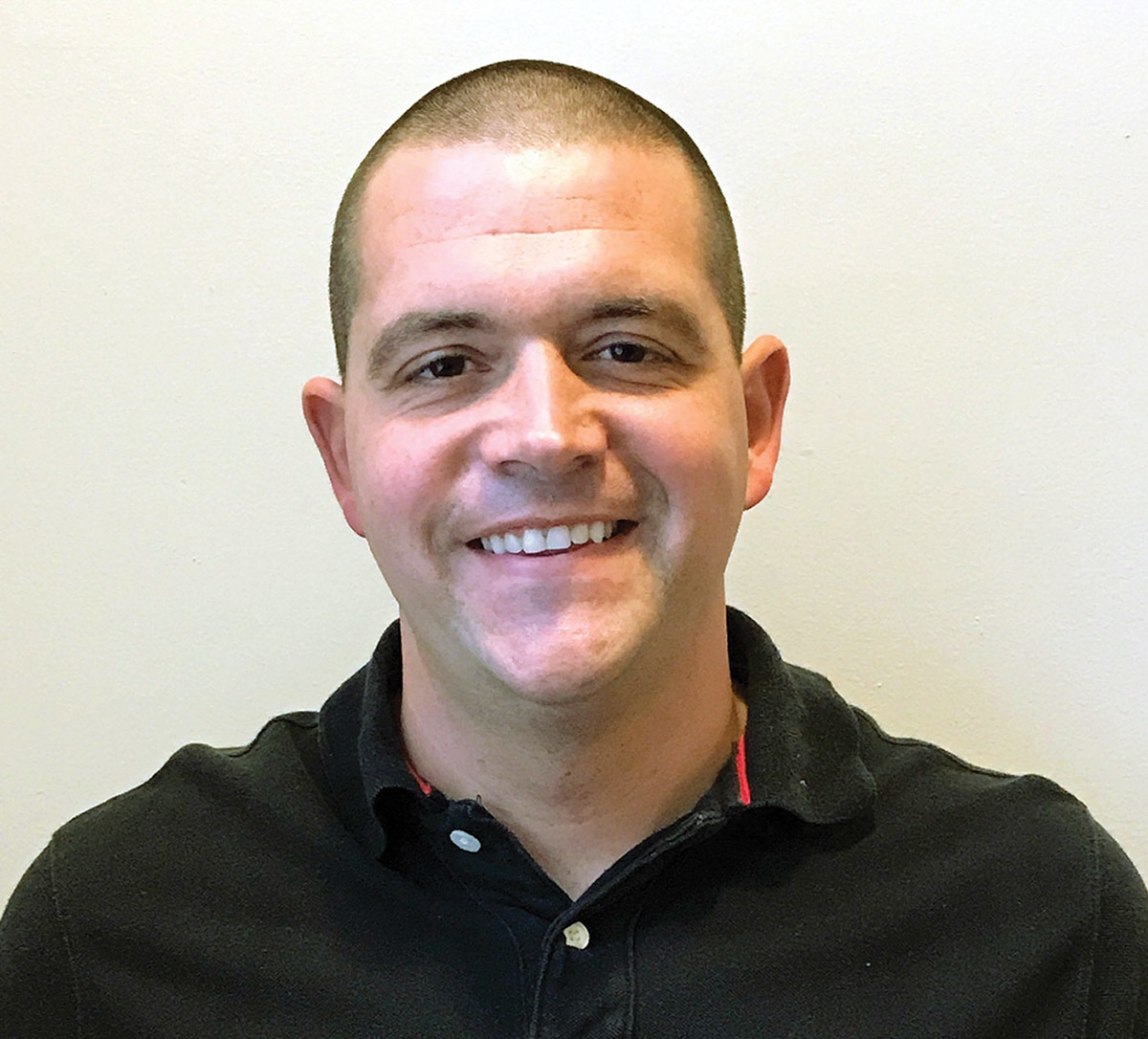
Anthony Pacilla is a registered master plumber for McVehil Plumbing in Washington, Pennsylvania. He has over two decades of experience in the plumbing and HVAC trades and has a bachelor’s in business and economics from Thiel College.
Continue reading for free