Flooding is every property owner’s nightmare — and a big call to action for plumbing and drain cleaning pros. When the waters recede, the real work begins. Here are key steps for emergency cleanup and recovery:
- Assess the Damage: Start with a thorough inspection of drains, pipes and sewer lines. Flood debris often causes blockages that require immediate attention.
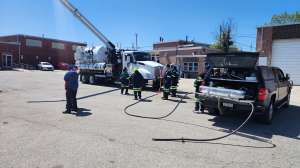
- Remove Standing Water: High-powered pumps are essential for clearing out water quickly, preventing further damage and allowing work to begin.
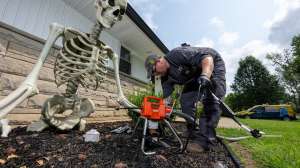
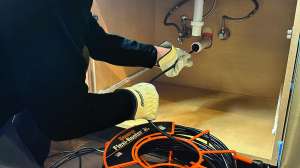
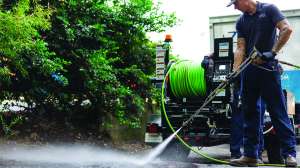
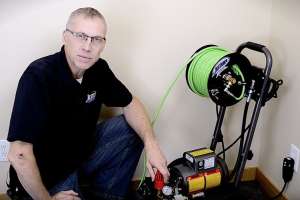
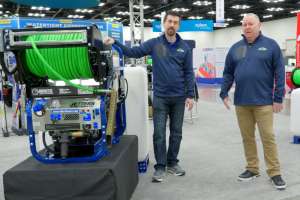
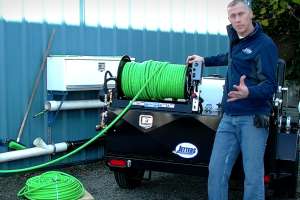
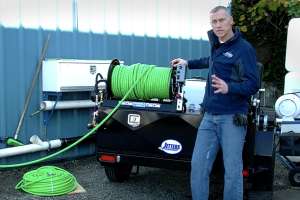
- Clear Debris: Clogged drains and pipes packed with mud, leaves, and trash need tools like hydro jetters to restore flow and prevent backups.
- Inspect for Structural Damage: Floods can damage underground pipes and connections. Camera inspections help identify cracks, leaks or collapses that need repair.
- Sanitize and Restore: Floodwater isn’t just inconvenient — it’s often contaminated. Disinfection and proper cleanup protect both property and health.
Flood cleanup isn’t just about fixing what’s broken; it’s about helping customers regain a sense of normalcy. Being prepared with the right tools and expertise makes all the difference when disaster strikes.
What’s your go-to equipment for post-flood recovery? Share your tips!