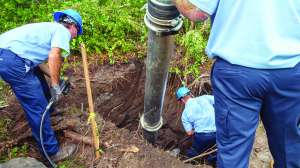

Following a recent series of trench collapses in the Midwest, OSHA is urging workplaces to take the necessary steps to safeguard workers from well-known industry hazards that can be prevented when the required protections are used.
As of the end of July, 11 trench-related fatalities have been reported for 2025, according to OSHA.
Soil can be heavy — 1 cubic yard can weigh as much as a car — so it is important to know and test the type of soil at every job site before work begins. Large amounts of rain can impact soil and significantly increase the weight, causing it to become more hazardous and likelier to collapse.
Never enter a trench unless you are trained to recognize the hazards and it has been inspected by a competent person. Trench collapses, or cave-ins, can be prevented by taking the following steps:
- Slope or bench trench walls at an angle inclined away from the excavation.
- Shore trench walls by installing aluminum hydraulic or other types of supports to prevent soil movement.
- Shield trench walls with trench boxes or other types of supports to prevent soil cave-ins.
OSHA offers resources for learning more about trenching and excavation hazards and solutions and five ways to stay safe in a trench. Employers may contact their local OSHA area office for assistance or take advantage of OSHA's free and confidential On-Site Consultation Program.
Continue reading for free