
Clogged pipes are a universal challenge, but how different countries tackle the problem can vary widely. From cutting-edge technology to tried-and-true techniques, here’s a look at how pipe blockages are handled around the world.
Robotic Precision In Japan
Advanced robotics are often used for pipe inspections and minor repairs. Robots equipped with cameras and sensors can navigate complex pipelines, identifying issues without the need for disruptive digging. While they aren't typically used to clear major clogs, they play a key role in diagnosing problems accurately.
High-Pressure Hydro Jetting
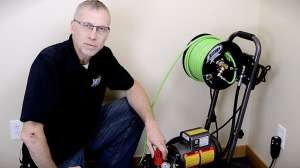
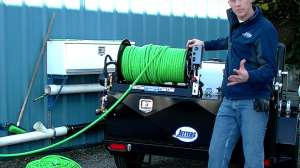
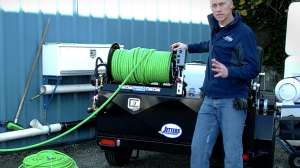
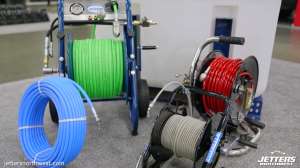
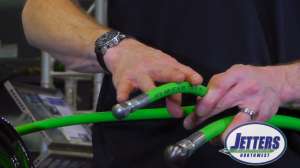
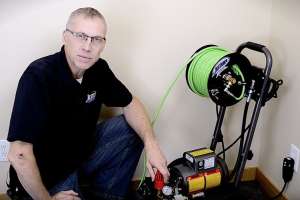
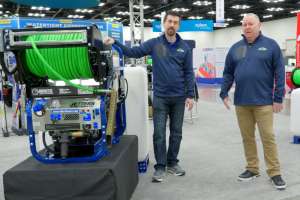
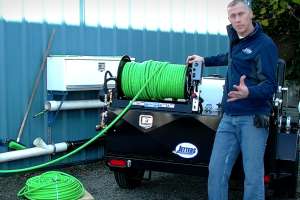
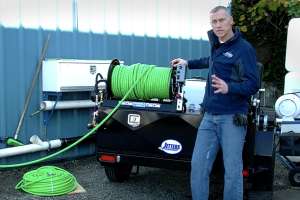
Hydro jetting is a popular choice in the U.S. for tackling stubborn blockages. This method uses high-pressure water streams to break apart grease, debris and mineral buildup, making it a go-to for both municipal systems and residential plumbing.
Mechanical Rodding
Germany frequently uses mechanical rodding for pipe cleaning. Technicians deploy long, flexible rods with rotating blades to break up blockages. This method is often paired with vacuum trucks to remove debris, ensuring pipes are clear and functioning efficiently.
Traditional and Modern Methods
In India, both traditional tools and modern technology are used. While plungers and manual labor remain common in rural areas, urban centers increasingly rely on hydro jetting and CCTV pipe inspections for effective blockage management.
Drain Snakes and Cameras
In Australia, powered drain snakes, often called “electric eels,” are a standard tool for breaking up stubborn clogs. CCTV cameras are also widely used to inspect pipes and pinpoint blockages, making repairs more precise and efficient.
While each country has its preferred methods, one thing remains the same: keeping pipes clear is essential for maintaining clean water and sanitation. No matter where you are, there’s a solution to get things flowing again.