
London utility Thames Water has seen a sustained 67% overall reduction in wet wipes being flushed down toilets after launching a targeted customer awareness campaign in sewer blockage hotspots.
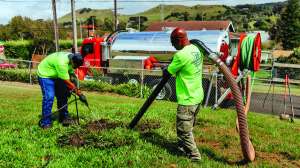
The reduction follows education campaigns in Beenham, West Berkshire, along with Popley and Farnborough in Hampshire, where Thames Water teams deployed large and small "hedgehog" tool installations to raise awareness of the damage caused by flushing wet wipes and other un-flushable items.
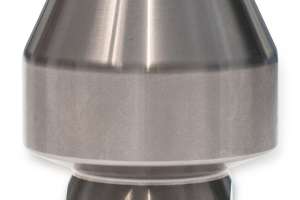
The hedgehog tool is a metal investigative device with spikes that resemble a hedgehog. These spikes catch wipes flushed into the sewer system, helping to trace the source of the wipes. The utility first introduced its innovative hedgehog-style tool in 2025. Building on its success, a smaller version was adopted specifically to navigate tighter sections of pipework and help prevent sewer flooding in customers' homes.
The "hedgehog" initiative combined the removal of wipes from the sewer network with door-to-door engagement, helping residents understand the impact that incorrectly flushed items can have on sewers, including blockages and flooding. The teams first targeted Beenham in West Berkshire in September 2025. By the end of the intervention in December, wipe counts had more than halved, falling by 51%. When the team returned five months later, in May and June 2026, they found wipe counts remained 54% lower than before the intervention began.
The team then moved on to Popley in Basingstoke in December 2025, where they also saw a substantial reduction in wipes entering the sewer network. Across four monitoring locations, wipes fell from 236 before intervention to 64 six months later, representing a 73% reduction.
Across two areas in Farnborough, teams recorded a 70% reduction in wipes when comparing surveys carried out in late May and early June 2026 against the pre-intervention baseline established in February and March 2026.
Wet wipes continue to be a major cause of sewer blockages across the Thames Water network, contributing to property damage and road flooding. The cost of removing wipes and other un-flushable items, such as sanitary products and rags, along with repairing the resulting damage, is estimated at £21 million a year. Thames Water has already cleared over 23,000 wipes-related blockages so far this year.
“Clearing preventable wipes blockages costs money, money that we would rather spend on upgrading our network, so it’s great to see fewer wipes being flushed in these hotspot areas, proving that simple changes at home can have a real impact," says Alex Dudfield, pollution improvement manager. “Working in local communities has really helped spread the message, and the response from residents has been really encouraging to see. Lots of people are surprised that even things sold as ‘flushable’ can still cause blockages in the sewers, so they should be put in the bin. That goes for any kinds of wipes, sanitary products and condoms too. Every one of those 23,000 wipes blockages so far this year had the potential to cause sewage to back up into roads, rivers and people's homes. That’s why preventing them is so important."
Continue reading for free