Fats, oils, and grease (FOG) can be found abundantly in every kitchen, predominantly originating from cooking processes. While FOG may seem harmless when poured down the drain, it poses significant challenges to both private and public sewer systems.
Here’s more on the detrimental effects of FOG in septic tanks and city sewer systems, and what sewer professionals can do to mitigate the impacts.
FOG in septic tanks
For houses with septic tanks, the presence of FOG introduces a myriad of problems. When FOG is discharged into the septic tank, it separates from the wastewater and rises to the top as a scum layer. Over time, this layer thickens and solidifies, drastically reducing the storage capacity of the septic tank. This buildup obstructs the flow of wastewater and causes blockages, leading to backups, unpleasant odors, and potential leaks.
Moreover, FOG can disrupt the natural microbial balance within the septic tank. The beneficial bacteria responsible for decomposing organic matter struggle to break down the accumulated FOG, resulting in reduced treatment efficiency and an increased risk of system failure. Recognizing these adverse effects, sewer professionals play a crucial role in educating homeowners about proper FOG disposal methods and the importance of regular septic tank maintenance.
To mitigate the impact of FOG in septic tanks, professionals should emphasize the significance of kitchen practices that reduce FOG production. Promoting the use of paper towels to wipe dishes before washing, using a grease trap or interceptor, and disposing of FOG in designated containers instead of down the drain are essential steps. Regular septic tank pumping and inspection, preferably every 3-5 years, should be recommended to homeowners to prevent accumulations and ensure optimal performance.
FOG in city sewer systems
In urban areas with city sewer systems, FOG also poses a significant challenge. As FOG accumulates, it adheres to the inner surface of sewer pipes, gradually narrowing their diameter. Eventually, these deposits can cause partial or complete blockages, leading to sewer backups, overflows, and expensive repairs.
Additionally, when FOG solidifies within sewer pipes, it can act as a glue that traps other types of debris, such as wipes and sanitary products. This accumulation exacerbates the blockage problem, further compromising the functionality of the entire sewer system. Sewer professionals are crucial in proactively addressing FOG buildup within city sewer systems and implementing preventive measures to reduce its impact.
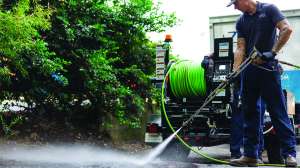
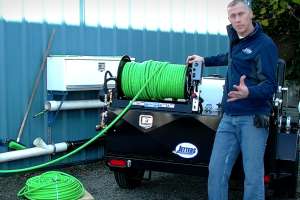
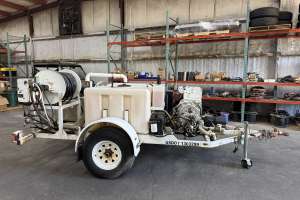
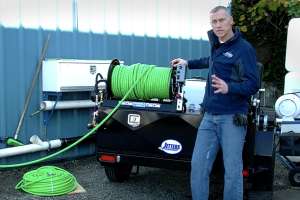
To tackle FOG issues in city sewer systems, sewer professionals can implement regular cleaning and maintenance schedules. Hydro jetting is an effective technique to maintain sewer systems' functionality. Sewer professionals use specialized equipment to dislodge and remove FOG accumulations, ensuring smooth wastewater flow. Frequent inspections, especially in areas with known FOG buildup risks, allow proactive identification and removal of any potential obstructions. Sewer professionals should collaborate closely with municipalities to enforce FOG management regulations and implement necessary infrastructure upgrades to handle FOG effectively.
Mitigation measures
As a sewer professional, several strategies can be employed to mitigate the impact of FOG in both private and public sewer systems.
Public awareness campaigns: Educating the community about the proper disposal of FOG is crucial. Informing homeowners about the risks and providing clear guidelines for grease disposal, such as using designated collection containers, will help prevent FOG from entering the sewer system. These campaigns can be conducted through various channels, including local newspapers, community newsletters, and social media platforms.
Regular maintenance and cleaning: Implementing routine cleaning schedules for sewer lines will prevent FOG buildup. Hydro jetting, as mentioned before, is an effective method to remove blockages and accumulated FOG. Sewer professionals should work in collaboration with municipalities to identify high-risk areas and implement preventive maintenance plans. By proactively addressing FOG buildup, sewer professionals can minimize disruptions and reduce the need for costly repairs and emergency maintenance.
Grease trap installation and maintenance: In commercial establishments, the installation of grease traps proves essential in intercepting FOG before it enters the sewer lines, preventing potential issues downstream. Grease traps should be appropriately sized, installed, and maintained to ensure optimal performance. Regular cleaning and maintenance of grease traps are essential to prevent backups, system failures, and regulatory non-compliance.
Collaboration with municipalities: Sewer professionals must actively collaborate with local authorities and municipalities to enforce FOG management regulations. By providing their expertise and insight, sewer professionals can contribute to the development and implementation of effective guidelines for FOG disposal. This collaboration also ensures proper infrastructure planning, timely upgrades, and compliance with regulatory requirements.
About the Author
Anthony Pacilla is a registered master plumber for McVehil Plumbing in Washington, Pennsylvania. He has over two decades of experience in the plumbing and HVAC trades and has a bachelor’s in business and economics from Thiel College.
Continue reading for free