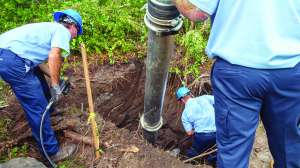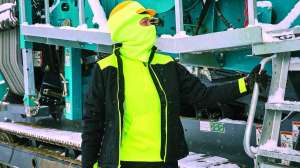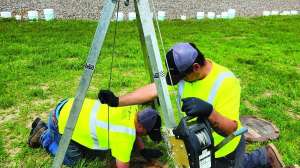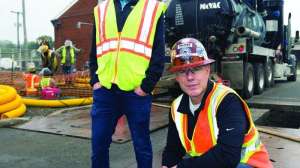

The correct PPE is essential when operating equipment to clear blockages, handle wastewater, or repair pipes.
Here’s a guide for getting the proper PPE to protect workers from the risks of sewer and drain work.
Common risks
Sewer and drain work involves exposure to numerous hazards, including:
Toxic gases
The most common gases are hydrogen sulfide, methane, carbon dioxide, and ammonia.
A 2021 study highlights that bioaerosols — tiny airborne particles originating from biological sources — are present gases in sewer lines. It also notes particulate matter. Tiny particles so small they can infiltrate deep into the lungs and bloodstream.
Also, volatile organic compounds are part of the toxic gases class.
Biological hazards
Remember the bioaerosols? These originate from biological items that find their way into the sewer. Food, human waste, and other organic matter introduce bacteria, viruses, and parasites into wastewater.
These can cause health infections in your gut, lungs, skin, liver (hepatitis A), eyes, and other bodily organs.
Chemical exposure
Gases and all waste produced in sewers also double as chemical exposure hazards. But that is not all. Cleaning agents that workers use and industrial waste they contact can cause burns and respiratory issues.
Physical dangers
When things rot, the surface they are attached to becomes slimy. So much so that slips and falls become part of the danger. As you fall, you might get cuts or pricks from sharp debris, and all that dangerous grime could get into your body from these cuts and pricks.
Elements of PPE to consider
Now, after knowing what dangers lurk, I recommend the following essential PPE:
Respiratory protection — These devices include full-face respirators self-contained breathing apparatuses. Butyl rubber and silicone are the best materials, and they protect you from inhaling gases, vapors, chemicals and toxic particulates.
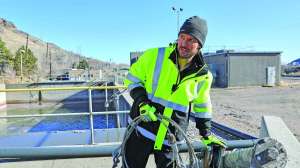
Protective clothing — Items like waterproof coveralls and chemically resistant suits create a physical barrier between you and any hazard.
Gloves — Nitrile and neoprene are good materials for protection from chemicals, oils, greases, and biological pollutants.
Eye and face protection — Polycarbonate safety goggles or face shields are good for protection against chemical splashes, various impacts, or dust.
Foot protection — Steel-toed, slip-resistant boots help protect against punctures, chemical spills, and slippery surfaces.
Hearing protection — To minimize damage from loud equipment, use foam-molded earplugs or earmuffs.
Fall protection — A harness or lifeline of high-strength polyester or nylon can help with falls and slips when working in confined spaces.
Choosing the right PPE
The materials used determine PPE’s effectiveness and durability. Both are important factors. Yes, you may wear polyester. After all, it is durable, but it can’t be just any polyester. For sewer work, you will have to go for acid-treated fabrics with chemicals such as fluoropolymer to give them that repellant characteristic.
This then introduces us to another factor: specificity. What exact material property does the type of sewer work require? Consider the following questions:
What specific chemicals or hazardous substances will the worker be exposed to?
Does the material provide sufficient resistance against these substances?
Is the material durable and able to withstand the working conditions in the sewer environment?
Is the material comfortable and breathable for long periods of wear?
Once you answer the above, look for the best materials for each sewer job description.
Caring for and maintaining PPE
PPE is only effective if properly maintained. Here are my recommendations for keeping your gear in top condition:
- Regular inspections to check for cracks, tears, or wear before every use.
- Proper cleaning by washing and disinfecting gloves, face shields, and overalls to prevent contamination. I recommend doing this after and before use.
- Store and keep PPE in a clean, dry area to extend lifespan.
- If you notice any damaged or expired equipment, replace it immediately to ensure safety.
A final word
Sewer and drain work can be dangerous, but the proper PPE makes it manageable. Every time you put on your overalls, gloves, suit, and respirator, you know you are protecting yourself from risks. It’s not just about following regulations, it’s also about going home safely at the end of the day.
About the Author
Nick Warrick is owner of AllSeasonsUniforms.com, a family-owned business that started three decades ago with a landline, a phone book, and a pen. Since then, the company has become a leading provider of uniforms and professional apparel across a wide range of industries.
Continue reading for free